Americans Take Direct Action Against AI Surveillance Nightmare
Liberty Check
- Viral videos show citizens destroying Flock AI surveillance cameras across the country
- Privacy advocates and lawmakers raise urgent concerns about mass surveillance technology
- Growing resistance movement signals Americans won’t surrender constitutional freedoms without a fight
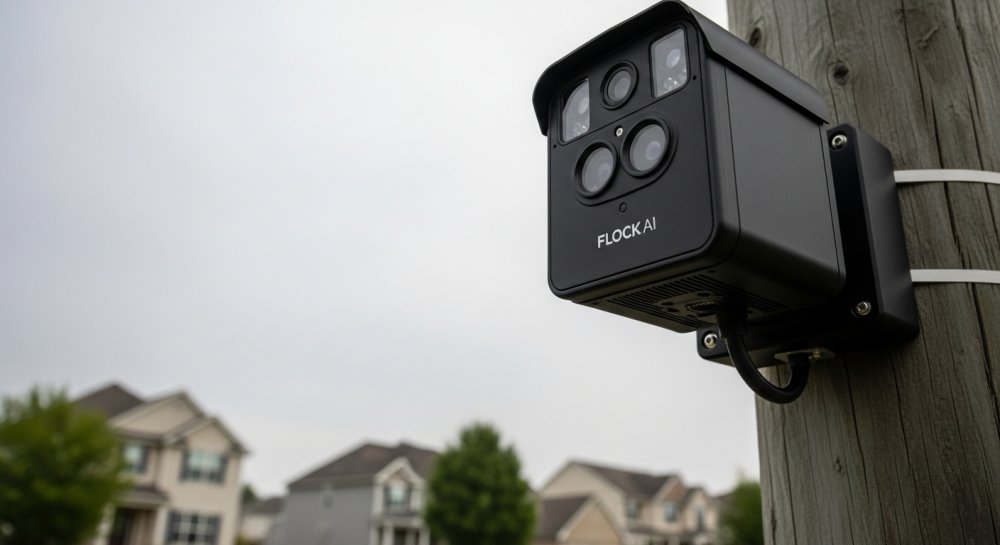
A new front has opened in the battle for American privacy and civil liberties. Citizens across the nation are taking matters into their own hands, posting viral videos of themselves destroying Flock AI surveillance cameras that have been installed in their communities.
The artificial intelligence-powered cameras have sparked fierce opposition from Americans who refuse to accept a surveillance state. The growing trend on social media shows everyday patriots dismantling these electronic eyes that track citizens’ movements without proper consent or oversight.
People destroying Flock Cameras 📷 all over the place. 👀 pic.twitter.com/T21WitAii2
— JOKAMRREDPILLZ (@JOKAQARMY1) July 2, 2026
I' liking these videos…👍
Flock destruction compilation. pic.twitter.com/CBGkIeLCTH— Cherenkov radiation (@CircuitMacGyver) July 2, 2026
Criminals are posting themselves destroying Flock cameras.
AI can help determine where it happened.
And yes, destroying these cameras is a crime. pic.twitter.com/qQAfeODp4U
— Daniel Heinen (@heinenbros) July 2, 2026
We may have a winner https://t.co/WBtRAgvdBB
— Daniel Heinen (@heinenbros) July 3, 2026
🚨 JUST IN: Houston officials are furious after a SURGE in Flock cameras being ripped down, vandalized and destroyed — with at least 4 being attacked in a matter of days
They put an AMERICAN FLAG over the destroyed camera
This is happening in the Carolinas in Georgia as well… pic.twitter.com/yNLTqCejWF
— Eric Daugherty (@EricLDaugh) July 9, 2026
Destroying flock cameras is one of the most patriotic acts you can do today.
Down with the police state. pic.twitter.com/c4hnT8DcwT
— Kaleb Buhr (@Shrimply_Right) July 9, 2026
I've introduced HR 8470, the Surveillance Accountability Act, with @RepBoebert.
It requires a probable cause warrant before the federal government can search your private data — even if that data is held by a third party.
Warrantless searches are unconstitutional. pic.twitter.com/kXJPUa8m6I
— Thomas Massie (@RepThomasMassie) April 23, 2026
Flock AI cameras represent the kind of unchecked technological intrusion our Founders would have immediately recognized as tyranny. These devices collect massive amounts of data on law-abiding Americans going about their daily lives, raising serious Fourth Amendment questions about unreasonable searches.
The resistance isn’t limited to concerned citizens. Legislators are also sounding alarms about the privacy implications of widespread AI surveillance networks being deployed across American neighborhoods and cities.
These cameras don’t just record—they analyze, track, and store data on vehicle movements, license plates, and patterns of life. The technology creates detailed profiles of where Americans go, when they travel, and who they associate with—all without warrants or probable cause.
The social media videos capturing the destruction of these cameras have resonated with millions of Americans who see Big Brother overreach for what it is. The viral nature of these posts demonstrates widespread public rejection of surveillance infrastructure being imposed on communities without meaningful consent.
Privacy advocates warn that normalizing this level of surveillance represents a dangerous slide toward the dystopian society George Orwell warned about. Once these systems are embedded in our communities, rolling them back becomes exponentially more difficult.
The constitutional concerns are clear. The Fourth Amendment protects Americans against unreasonable searches and seizures. Mass surveillance that tracks citizens’ movements creates a digital dragnet that sweeps up information on everyone, not just criminal suspects.
Local governments installing these systems often do so with minimal public input or debate. Residents wake up to find their neighborhoods blanketed with surveillance technology they never approved and may not even be aware exists.
The companies profiting from these surveillance systems claim they enhance public safety. But enhanced security that comes at the cost of fundamental freedoms isn’t security at all—it’s control.
What we’re witnessing is Americans exercising their most basic right: the right to resist government overreach. When elected officials fail to protect constitutional liberties, citizens have both the right and responsibility to push back.
The trend also highlights a broader cultural shift. After years of expanding digital surveillance—from phones to smart devices to street cameras—Americans are drawing a line. The message is clear: we will not quietly accept a surveillance state.
This grassroots resistance movement deserves support from everyone who values privacy and limited government. The alternative is a society where every movement is tracked, recorded, and analyzed by systems we don’t control and can’t escape.
Our freedoms depend on staying vigilant.