BORDER CRISIS: Feds Uncover Traffickers Hiding Underground After Sneaking Back In
Liberty Check
- Previously deported meth traffickers were discovered hiding in California drainage tunnels, exposing ongoing border security failures
- Federal agents found illegal aliens living underground after repeatedly entering the country despite prior deportations
- The discovery underscores the Biden administration’s catastrophic failure to secure the border and protect American communities
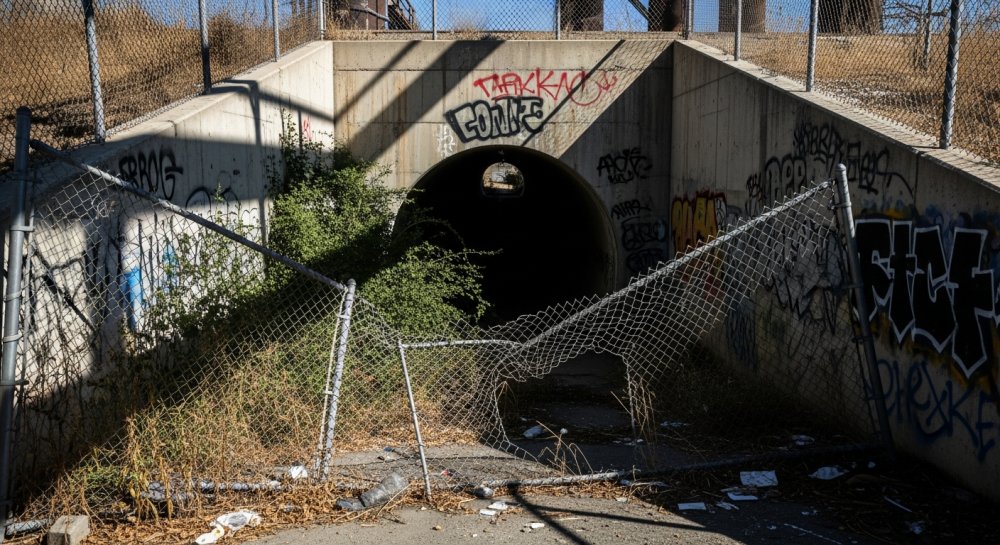
Federal authorities made a disturbing discovery in California that reveals just how broken our border security has become. Agents found previously deported methamphetamine traffickers hiding in underground drainage tunnels — criminals who had already been removed from the country but managed to sneak back in.
The illegal aliens were living in subterranean tunnel systems, using America’s infrastructure to evade law enforcement. These weren’t just border crossers looking for work — these were convicted drug traffickers with deportation orders who chose to return illegally and continue their criminal enterprises on American soil.
They thought they could sneak into the United States, but their attempt at evading CBP was flushed away!
On May 4th, U.S. Border Patrol agents from the Chula Vista Station arrested 19 people discovered hiding in a drainage system near the border in San Diego.
Two of the…
— CBP (@CBP) May 18, 2026
Border security experts have long warned that the porous southern border isn’t just a immigration issue — it’s a national security crisis. When criminals know they can be deported and simply walk back across the border, the entire system becomes a revolving door that puts American families at risk.
The drainage tunnel discovery highlights another troubling reality: illegal aliens are establishing hidden networks throughout the country, living off the grid in places where law enforcement can’t easily monitor them. These underground hideouts provide cover for drug trafficking, human smuggling, and other criminal activity.
Officials described the individuals found in the tunnels as “a threat to public safety,” a characterization that barely scratches the surface of the danger. These are people who were given the benefit of due process, deported through legal channels, and then made a conscious choice to violate American sovereignty again.
The Biden administration’s catch-and-release policies and refusal to enforce immigration law have created an environment where criminals feel emboldened to return after deportation. Without serious consequences and physical barriers, deportation becomes meaningless — just a temporary inconvenience before the next illegal crossing.
Meanwhile, American communities bear the cost. Local law enforcement must deal with criminal networks that federal authorities have failed to keep out of the country. Families live with the knowledge that dangerous individuals are hiding in the shadows, sometimes literally underground.
The methamphetamine trade has devastated communities across America, fueling addiction, crime, and broken families. Every trafficker who successfully re-enters the country after deportation represents another pipeline of poison flowing into American neighborhoods.
This isn’t an isolated incident. Reports of previously deported criminals being arrested again inside the United States have become disturbingly routine. The pattern reveals a fundamental breakdown in border enforcement and interior security.
True border security requires multiple layers: physical barriers to prevent illegal crossings, robust enforcement to catch those who do cross illegally, swift deportation for those caught, and serious consequences for those who return. The current system fails on nearly every level.
The tunnels these traffickers were hiding in weren’t sophisticated cartel operations — they were public drainage systems being exploited because our borders remain unsecured. When criminals can cross at will and then disappear into America’s infrastructure, we’ve lost control of our own country.
Americans deserve better.