CRISIS: Record-Breaking Temperatures Trigger Catastrophic Fish Die-Off in Nation’s River
Liberty Check
- Potomac River water temperatures hit unprecedented 94 degrees, marking the hottest reading since monitoring began in 1988
- Extreme heat wave causing widespread fish kills in waterways serving the nation’s capital region
- Environmental crisis highlights broader concerns about infrastructure resilience and natural resource management
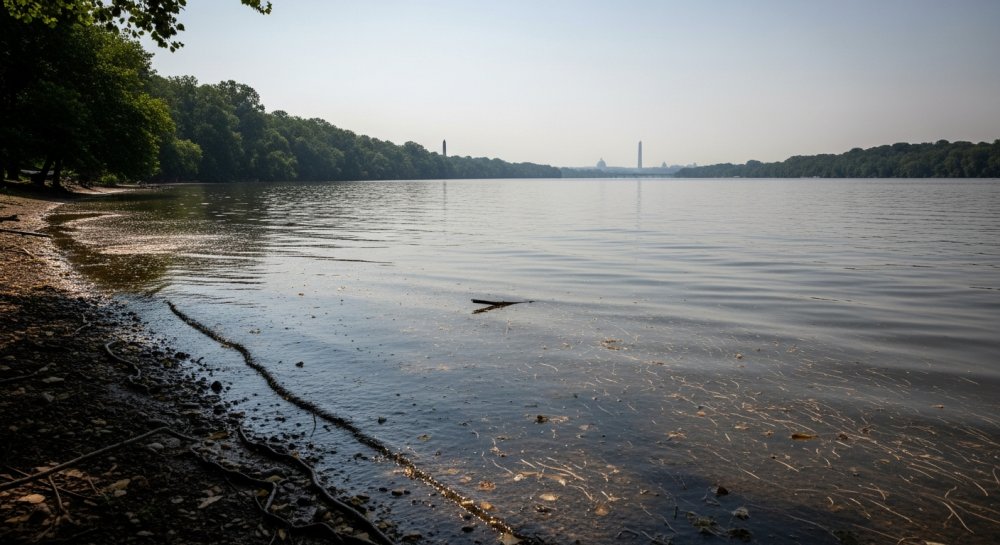
A devastating heat wave has triggered a massive fish kill in the Potomac River after water temperatures reached a staggering 94 degrees — the hottest reading ever recorded at this monitoring location since officials began keeping records in 1988.
The catastrophic die-off is raising serious questions about the resilience of America’s critical waterways and the impact of extreme weather events on natural resources. The Potomac River, which serves millions of Americans in the Washington D.C. metropolitan area, has become a stark example of how environmental pressures can create cascading crises.
Fish kill triggered in Potomac River as water temperatures surge to record 94 degrees due to extreme heat wave https://t.co/D1w7tzn0NF pic.twitter.com/65C7CuY8xD
— New York Post (@nypost) July 9, 2026
Scientists monitoring the river confirmed that the unprecedented water temperatures have created deadly conditions for aquatic life. Fish species unable to adapt or migrate to cooler waters have perished in significant numbers, creating visible evidence of the heat wave’s severity along the river’s banks and tributaries.
The record-breaking temperatures represent more than just a statistical anomaly — they signal a potential threat to the ecological balance of one of the nation’s most historically significant waterways. The Potomac has played a central role in American history, and its health remains vital to the region’s environmental and economic well-being.
Local authorities and environmental officials are working to assess the full extent of the damage and determine what steps can be taken to prevent similar die-offs in the future. The crisis has sparked renewed debates about water management policies, infrastructure investments, and the need for proactive measures to protect natural resources.
Conservative environmental stewards have long advocated for practical, science-based approaches to conservation that balance ecological concerns with economic realities. This incident underscores the importance of responsible resource management that doesn’t rely on heavy-handed government overreach but instead focuses on proven solutions and local control.
The extreme heat affecting the region has broken multiple temperature records, placing strain not just on waterways but on power grids, agriculture, and public health systems. Americans across the affected areas are being urged to take precautions and conserve resources where possible.
As the nation grapples with this environmental crisis, questions remain about long-term solutions that can protect vital ecosystems without imposing burdensome regulations on businesses and property owners. The fish kill serves as a reminder that environmental challenges require thoughtful, balanced responses grounded in scientific fact rather than political ideology.
Americans deserve better stewardship of our natural resources and practical solutions that work.