Economic Confidence CRATERS — Americans Losing Faith Fast
Liberty Check
- Consumer confidence has plummeted to its lowest level in nearly four years as Americans feel the squeeze of persistent inflation and economic uncertainty.
- Voters are losing faith in the economy under current leadership, with mounting concerns about the cost of living and future financial stability.
- The sharp decline signals growing frustration with Washington’s economic policies and raises questions about the administration’s ability to deliver relief.
American confidence in the economy has collapsed to levels not seen since the darkest days of the pandemic era. New data reveals a dramatic erosion of faith in the nation’s financial trajectory, with voters signaling deep concern about their economic futures.
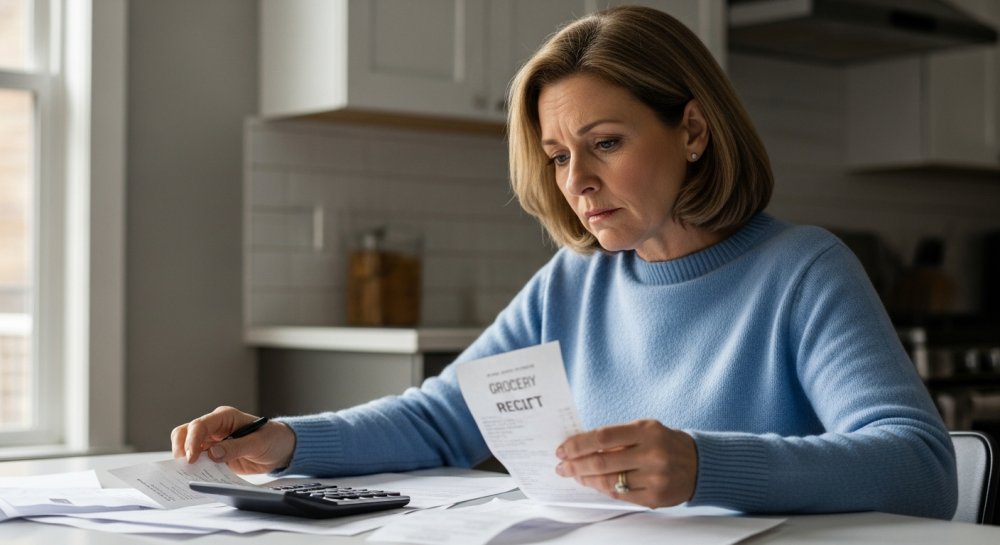
The sharp decline in consumer confidence reflects what millions of families already know from their daily lives. Grocery bills continue to climb. Gas prices remain stubbornly high. The dream of homeownership slips further out of reach for young Americans.
Economic analysts point to persistent inflationary pressures as a primary driver of the downturn. Despite repeated assurances from Washington that inflation is “transitory” or “under control,” working families continue to experience the painful reality of diminished purchasing power.
The timing couldn’t be worse for an administration that has staked its credibility on economic management. Voters are making clear assessments at the kitchen table, and those assessments don’t match the rosy scenarios painted by government officials.
Small business owners face a particularly challenging environment. Rising costs for supplies, labor, and overhead continue to squeeze margins. Many entrepreneurs report having to make difficult decisions between raising prices, cutting staff, or absorbing losses that threaten their viability.
The housing market remains a source of acute frustration. Mortgage rates that seemed unthinkable just a few years ago have become the new normal, pricing countless American families out of the market entirely. First-time buyers find themselves trapped in a cycle of rising rents with no clear path to ownership.
Consumer spending patterns reflect this widespread anxiety. Americans are cutting back on discretionary purchases, delaying major buying decisions, and building up savings as a hedge against an uncertain future. This defensive posture itself creates a drag on economic growth.
The political implications are significant. Voter confidence in economic stewardship typically correlates strongly with electoral outcomes. When Americans feel economically insecure, they tend to demand accountability from those in power.
Critics of current economic policy point to a pattern of decisions that prioritized ideology over practical outcomes. Massive government spending programs, burdensome regulations, and energy policies that drove up costs all contributed to the inflationary spiral now gripping the nation.
For ordinary Americans, the economic theories debated in Washington matter far less than the concrete realities they face. Can they afford to fill their gas tank and their refrigerator in the same week? Will their children inherit a stronger or weaker economy? These questions drive public sentiment far more than any government statistic.
The confidence crisis extends beyond immediate pocketbook concerns. Many voters express doubt about the fundamental direction of the country and whether current leadership possesses either the will or the capability to course-correct.
As confidence continues to crater, the pressure builds for meaningful policy changes. Americans are looking for leaders who understand that economic prosperity doesn’t come from government programs and spending binges, but from unleashing the productive capacity of free enterprise and individual initiative.
Americans deserve better.