NCAAA Power Grab BACKFIRES: Star QB Makes Historic Move After Eligibility Battle
Liberty Check
- Texas Tech quarterback Brendan Sorsby is declaring for the NFL Supplemental Draft after the NCAA denied his final year of eligibility in a decision many see as overreach
- The quarterback’s legal fight highlights the ongoing battle between college athletes and the bureaucratic NCAA establishment that controls their futures
- This move could set a precedent for other players caught in the NCAA’s tangled web of arbitrary rules and regulations
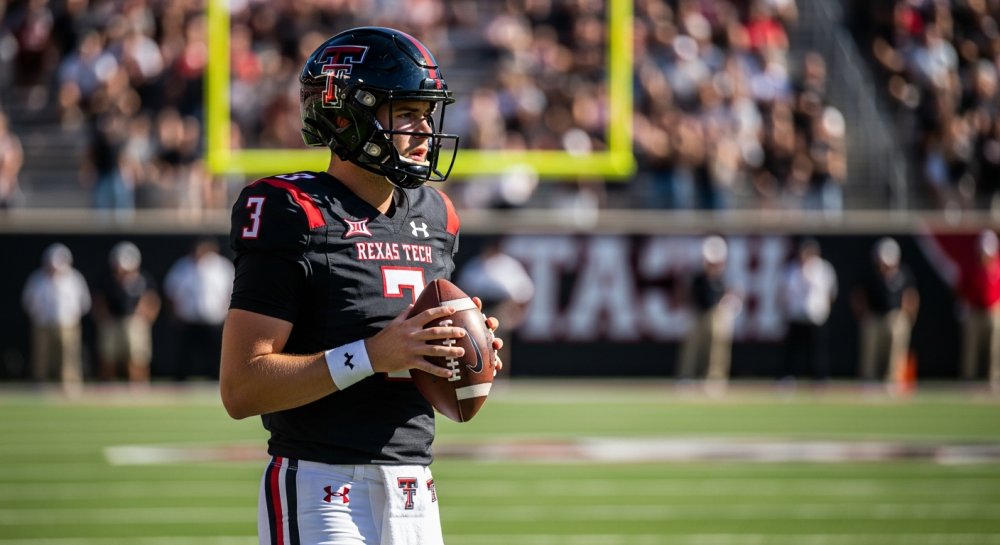
Texas Tech quarterback Brendan Sorsby is taking his talents to the professional level after the NCAA’s bureaucratic machinery denied him what should have been his rightful final year of college eligibility. The decision to enter the NFL Supplemental Draft marks a historic moment in the ongoing struggle between individual athletes and the entrenched NCAA establishment.
Sorsby’s situation perfectly illustrates the problems with the current system. After transferring and playing his heart out for the Red Raiders, he found himself at the mercy of NCAA administrators who operate under a maze of rules that often seem designed to protect the institution rather than serve the athletes.
Star QB Brendan Sorsby is applying to enter the NFL Supplemental Draft, sources tell NFL Network.
After legal wrangling about his NCAA eligibility, Sorsby — regarded as a first-round talent — now could be the highest-drafted supplemental pick in decades. pic.twitter.com/ltK1SiWZr4
— Tom Pelissero (@TomPelissero) June 16, 2026
The quarterback’s legal battle with the NCAA exposed the organization’s outdated approach to eligibility and player rights. While college athletics generate billions in revenue, players like Sorsby are left fighting for basic fairness when bureaucrats make decisions that can derail their careers.
By choosing the Supplemental Draft route, Sorsby is refusing to let the NCAA’s decision define his future. It’s a bold move that shows the kind of determination and independence that should be celebrated, not punished by administrative overreach.
This case raises serious questions about the NCAA’s role in college sports. When a governing body can arbitrarily deny a player’s eligibility despite legitimate arguments for an exception, something is fundamentally broken. The system needs reform that puts athletes first, not committee decisions and red tape.
Sorsby’s talent on the field spoke for itself during his time at Texas Tech. Now he’ll get the chance to prove himself at the next level, but it shouldn’t have required a legal battle to get there. The NCAA’s handling of his case is another example of an institution more concerned with maintaining control than doing what’s right.
The Supplemental Draft offers a second chance for players in unique situations, and Sorsby’s entry could open doors for others facing similar NCAA roadblocks. His willingness to challenge the system and pursue his professional dreams despite the obstacles deserves respect.
As college athletics continue to evolve with Name, Image, and Likeness rights and the transfer portal, cases like Sorsby’s highlight the urgent need for further reform. Athletes should have clear, fair pathways to compete and advance their careers without arbitrary interference from unelected administrators.
Americans deserve better from institutions that claim to serve student-athletes.