SHOCKING Divide: Senator Declares Iran Deal a ‘Surrender’ — Lawmaker Stands Firm
Liberty Check
- Trump’s Iran framework blocks nuclear weapons without boots on the ground — diplomatic win where past presidents failed
- Critics lack enforcement details but ignore alternative: endless war or Obama-style appeasement
- Democrats who championed flawed JCPOA now attack stronger deal — hypocrisy on full display
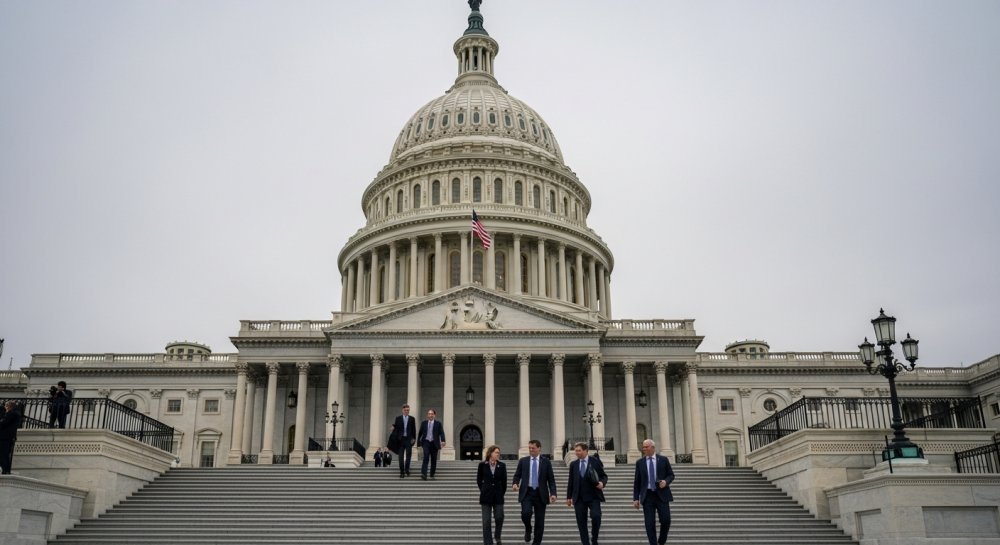
Capitol Hill is sharply divided over President Donald Trump’s Iran peace deal, with lawmakers debating whether the framework provides genuine progress toward stopping a nuclear-armed Tehran or hands billions to a terror-sponsoring regime without sufficient safeguards.
Sen. Tommy Tuberville, R-Ala., told Fox News Digital the agreement represents major advancement from the beginning of tensions, particularly in blocking Iran’s path to nuclear weapons.
“They never can have nuclear weapons and we don’t have troops on the ground and we made a lot of progress,” Tuberville said.
But skepticism remains over whether the deal adequately ensures Iran’s nuclear program will be dismantled during the 60-day negotiation period. Questions linger about enforcement mechanisms and whether Iran can simply refuse compliance with the framework’s terms.
Sen. Richard Blumenthal, D-Conn., voiced those exact concerns with Fox News Digital, warning that the $300 billion earmarked for economic reconstruction could funnel directly into terrorist organizations.
“I am deeply concerned that we are giving Iran the benefit of hundreds of billions of dollars that can be spent on Hezbollah and other maligned proxies, as well as rebuilding its nuclear program,” Blumenthal said. “And the lack of any inspection or verification.”
“I am deeply concerned that this deal looks like unconditional surrender for the United States, not for Iran.”
The agreement signed Thursday also provides immediate sanctions relief and access to frozen Iranian funds — a sticking point for critics who question whether Tehran will honor its commitments.
Sen. John Hoeven, R-N.D., said he believes the framework could position America for success — but only if negotiations are properly enforced.
“From the beginning I said the key is going to be enforcement,” Hoeven said. “So as we go through this negotiation, the key is going to be how do we enforce it?”
He called on American allies to step up and share responsibility for enforcement throughout the 60-day period.
“I think some of our allies need to step up and join us,” Hoeven said.
“They have a big dog in this fight so they need to join with us because that enforcement mechanism is going to be key, I believe, to getting the kind of outcome that we want.”
Multiple senators admitted they had not fully reviewed the memorandum of understanding (MOU), declining to offer opinions on the deal.
“I’m going to disappoint you,” Sen. John Kennedy, R-La., said. “I’m about a half way through reading the actual MOU and I want to read it several times to try to digest it.”
Democrats are now arguing the current framework appears worse and less effective than the Obama-era Joint Comprehensive Plan of Action (JCPOA) — the 2015 nuclear deal Trump withdrew during his first term.
“I think it looks worse than the Obama deal right now,” Blumenthal said. “More money goes to Iran, lifting of sanctions, no verification.”
Yet that criticism rings hollow from lawmakers who championed the JCPOA despite its glaring flaws and lack of accountability. Trump inherited a disaster from Obama and is working to clean it up — again.
The Constitution must be defended.