Foreign Policy
Should the United States Impose Tougher Sanctions on Countries Participating in Cuba’s Alleged Medical Slavery Scheme?
Should the United States Impose Tougher Sanctions on Countries Participating in Cuba’s Alleged Medical Slavery Scheme?
Here’s The Scoop
In a bold move to uphold American values and human rights, the U.S. State Department is cracking down on the Cuban Communist Party’s notorious exploitation of health workers. On Wednesday, the department announced visa restrictions targeting unnamed officials from Grenada, several African nations, and members of the Cuban regime, all complicit in Havana’s despicable medical worker slavery scheme.
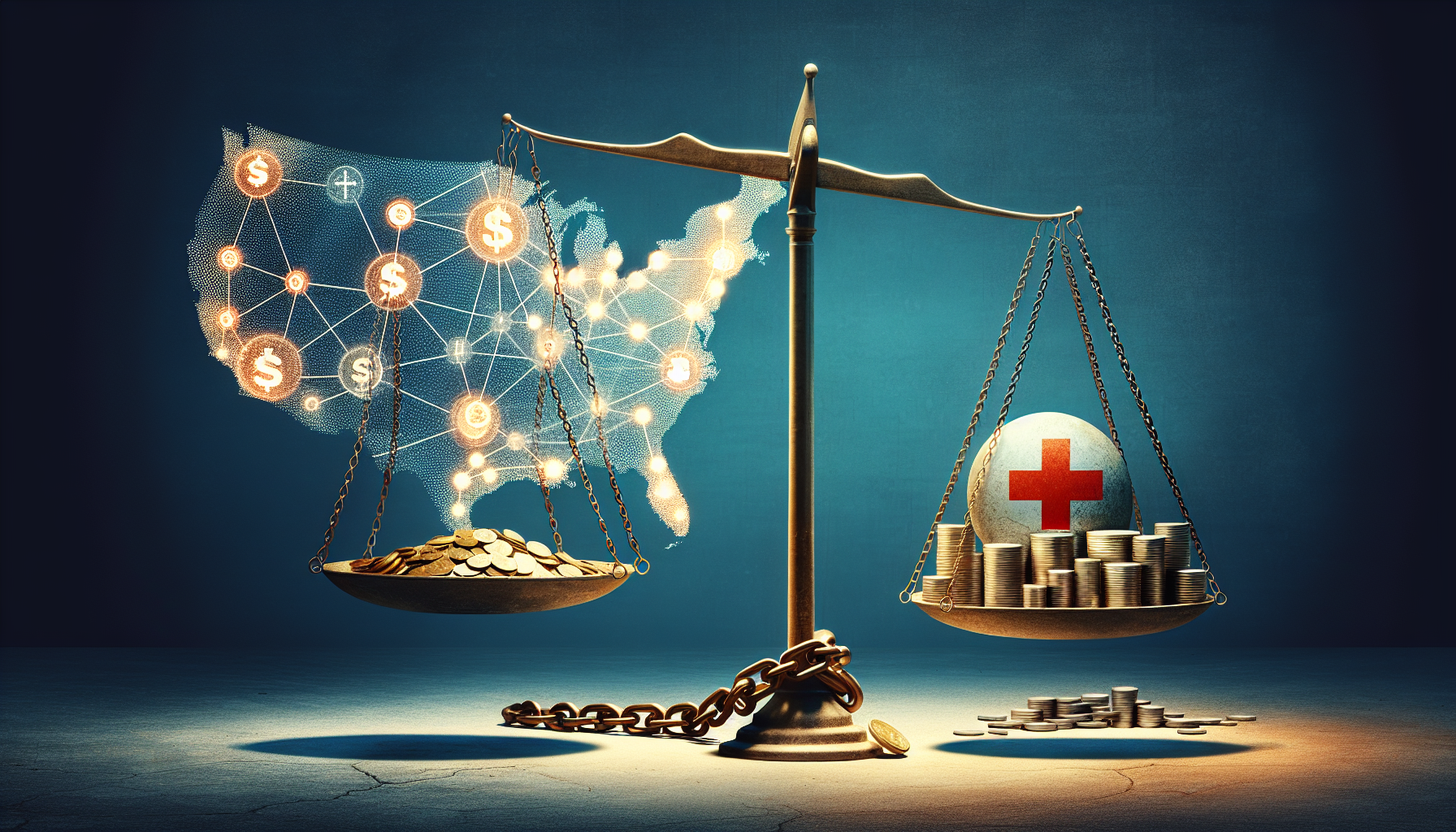
This decisive action is a direct response to Cuba’s so-called “international medical cooperation,” a euphemism for a modern-day slave trade. Under this scheme, Cuban doctors and health workers are rented out to other countries at exorbitant prices, with the lion’s share of the profits lining the pockets of the corrupt Cuban government. Meanwhile, the Cuban people are left without essential medical care, a situation that the State Department aptly describes as enriching the regime while depriving its citizens.
Secretary of State Marco Rubio, a staunch advocate for freedom and democracy, had previously promised to expand visa restrictions to combat this forced labor program. His commitment to countering such human rights abuses is clear: the U.S. will not stand idly by as the Cuban regime exploits its people for profit. Rubio’s policy aims to hold not only Cuban officials accountable but also foreign government officials who aid in this egregious practice.
A senior State Department official, speaking to Breitbart News, reinforced America’s resolve, stating, “The United States will not remain silent as the criminal Cuban regime unjustly enriches itself through its exploitative and coercive medical labor export scheme.” This firm stance underscores the U.S. dedication to ending forced labor worldwide.
The Cuban Communist Party has long masqueraded its exploitation as altruistic international aid, but the truth is far darker. Human rights organizations and defectors have exposed the regime’s tactics: coercing doctors to work in perilous conditions, spreading communist propaganda, and fabricating medical records to inflate the program’s success. These health workers, treated as property, are isolated, threatened, and deprived of their rightful wages, with their families often used as leverage to ensure compliance.
In 2019, the Organization of American States condemned this program as human trafficking, a sentiment echoed by numerous NGOs and pro-democracy organizations. The evidence is damning: tens of thousands of Cuban professionals, from doctors to musicians, are sold into servitude each year, trapped by the regime’s oppressive policies.
Despite the risks, many brave Cuban doctors have defected, sharing their harrowing experiences with the world. They describe being forced to influence elections, treat non-existent patients, and live without basic freedoms or documentation. Their courage in speaking out highlights the urgent need for international intervention.
The State Department’s actions are a significant step in curbing this appalling practice, a priority during President Donald Trump’s second term. Secretary Rubio, speaking alongside Jamaica’s Prime Minister Andrew Holness, emphasized the gravity of the situation: “The doctors are not paid. The Cuban Government decides how much, if anything, to give them; they take away their passports; they basically operate as forced labor.”
Rubio, a Cuban-American, knows firsthand the struggles faced by those under the Cuban regime. His leadership in this matter is a testament to America’s commitment to freedom and justice. As the U.S. continues to stand against forced labor, it sends a clear message: exploitation and tyranny have no place in the modern world.
What do you think? Let us know by participating in our poll, or join the discussion in the comment section below!