Business
Billionaire Governor’s MASSIVE War Chest Revealed — Left Wing Power Play Exposed
Liberty Check
- Illinois Governor J.B. Pritzker’s personal fortune is funding a national progressive agenda far beyond his state borders
- Pritzker’s wealth allows him to bypass traditional campaign finance limitations that constrain other politicians
- The billionaire governor is positioning himself as a major left-wing influencer ahead of critical election cycles
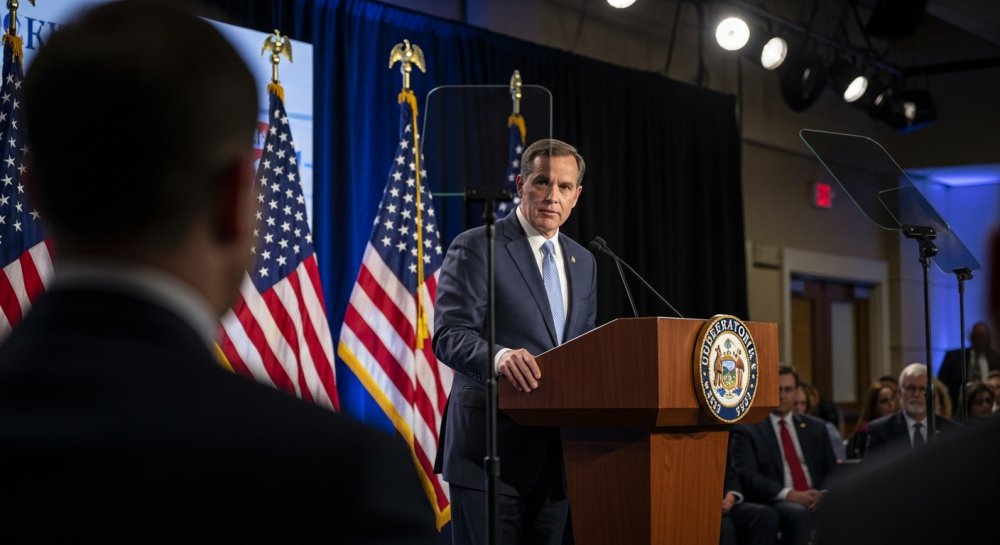
Illinois Governor J.B. Pritzker is leveraging his massive personal wealth to advance a far-left agenda across the nation, raising serious questions about the influence of billionaire politicians in American democracy. The governor’s deep pockets are bankrolling progressive causes and candidates in a coordinated effort to reshape the political landscape.
Pritzker, heir to the Hyatt hotel fortune, has used his personal wealth to fund political operations that dwarf those of typical state executives. His financial resources allow him to operate with virtually unlimited campaign capacity, giving him an outsized voice in national political debates.
The governor’s spending pattern reveals a strategic approach to building progressive infrastructure beyond Illinois. While everyday Americans struggle with inflation and economic uncertainty, Pritzker is writing checks to advance left-wing priorities from coast to coast.
Constitutional conservatives have long warned about the dangers of concentrated political power, whether in government or in the hands of wealthy individuals who can buy influence. Pritzker’s financial might allows him to circumvent the grassroots fundraising that connects most politicians to their constituents.
The governor’s war chest represents a new model of political influence where personal fortunes substitute for popular support. This approach undermines the democratic principle that political power should flow from the consent of the governed, not the size of a candidate’s bank account.
While Pritzker champions progressive causes, his own wealth insulates him from the economic consequences of the policies he promotes. His ability to self-fund political operations without accountability to donors or voters raises fundamental questions about representative government.
The contrast between Pritzker’s billionaire status and his policy positions reveals a disconnect between elite progressives and working Americans. His financial advantage allows him to promote an agenda that many Illinois residents oppose, without facing the typical political consequences.
As the nation approaches critical elections, the role of billionaire politicians like Pritzker deserves scrutiny. The ability to spend unlimited personal wealth on political causes creates an uneven playing field that favors the ultra-wealthy over ordinary citizens.
Americans deserve better than a political system where billionaires can buy influence while working families struggle to make ends meet.