MAGA Farmer Stuns GOP Establishment in Iowa Upset Victory
Liberty Check
- Grassroots conservative candidate defeats Trump-endorsed incumbent in stunning primary upset
- Anti-establishment energy proves decisive as rural Iowa voters reject Washington insider
- Victory signals growing appetite for outsider candidates who challenge party machine politics
A grassroots conservative farmer has delivered a stunning blow to the Republican establishment, defeating a Trump-endorsed incumbent congressman in Iowa’s primary election. The result has sent shockwaves through GOP circles and demonstrated the enduring power of authentic populist campaigns.
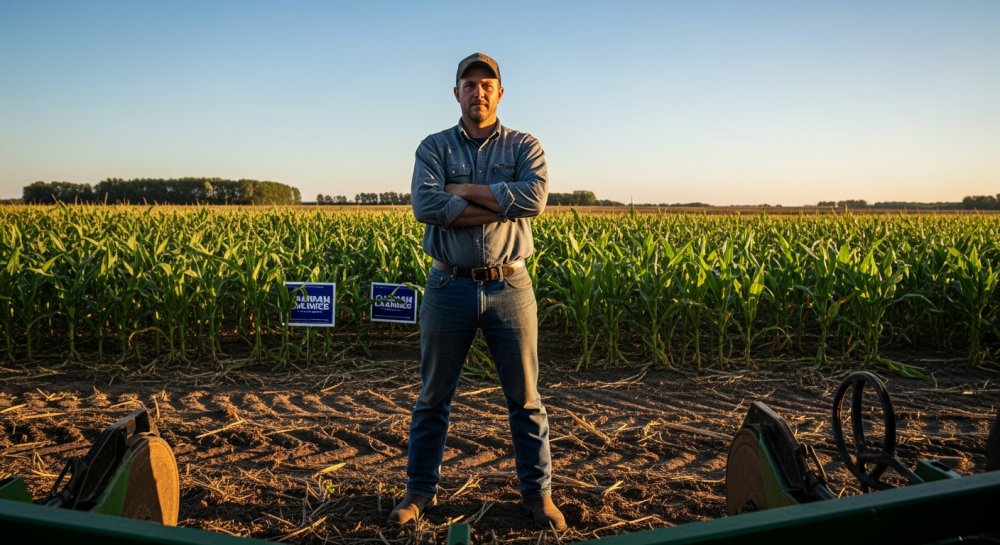
Zach Lahn, a farmer backed by the Make America Healthy Again movement, toppled Randy Feenstra in Iowa’s Fourth Congressional District despite lacking traditional party support and facing overwhelming fundraising disadvantages. The upset victory represents one of the most significant primary challenges in the 2026 cycle.
We did it!!!
Thank you IOWA!
IOWA FIRST!
— Zach Lahn (@ZachLahn) June 3, 2026
Congratulations to Zach Lahn on his victory! He will be a great Governor for all Iowans.
Iowa is one of the most important states in the nation. Proud of our team @TPAction and the work ahead to deliver more MAGA and MAHA wins for the President. https://t.co/uHb2YMPeHa
— Erika Kirk (@MrsErikaKirk) June 3, 2026
“Nobody thought that this could be done,” Lahn declared following his victory, capturing the sentiment of an electorate hungry for genuine representation over establishment credentials.
The race exposed deepening fissures within Republican ranks between grassroots conservatives and party leadership. Feenstra enjoyed backing from former President Trump along with significant institutional support, yet voters ultimately sided with the outsider candidate who campaigned on agricultural reform and health freedom issues.
Lahn’s campaign resonated with rural Iowans frustrated by Washington’s disconnect from heartland concerns. His platform emphasized returning power to local communities, protecting family farms from corporate consolidation, and challenging regulatory overreach that burdens agricultural producers.
The MAHA-backed candidate ran on kitchen-table issues that transcended typical partisan divides, focusing on food security, agricultural independence, and health policy reforms. His message proved particularly effective among voters skeptical of both political parties’ commitment to rural America.
Despite being dramatically outspent, Lahn built a coalition through town halls, farm visits, and direct voter contact. His shoe-leather campaign style contrasted sharply with Feenstra’s reliance on television advertising and party infrastructure.
The result raises questions about the effectiveness of high-profile endorsements in an era when voters increasingly prioritize authenticity over establishment backing. Political analysts note that Trump’s endorsement, while still valuable, no longer guarantees primary victory when grassroots energy favors the challenger.
Iowa’s Fourth District encompasses the state’s heavily agricultural northwestern region, where farming interests dominate the political landscape. Voters there demonstrated willingness to reject party guidance when presented with a candidate who spoke directly to their economic anxieties and cultural values.
Feenstra’s defeat marks a significant setback for House Republican leadership, which had invested heavily in protecting the incumbent. The loss suggests that conservative voters remain willing to punish representatives they view as insufficiently responsive to constituent concerns, regardless of voting records or party loyalty.
Lahn now faces a general election campaign in a solidly Republican district, making him the heavy favorite to claim the congressional seat in November. His victory provides a template for future outsider candidates seeking to challenge entrenched incumbents through authentic grassroots organizing.
The upset reinforces a broader trend in American politics: voters across the ideological spectrum increasingly reject candidates perceived as tools of party machines or special interests. Authenticity and local connection trump fundraising advantages and institutional support when grassroots movements gain momentum.
Americans deserve better.