STUNNING: Historic D.C. Park Fountains Restored After Years of Government Neglect
Liberty Check
- Iconic Washington D.C. fountains return to life after nearly a decade of bureaucratic failure
- Park restoration so successful even Democrats forced to acknowledge achievement
- Victory demonstrates what competent leadership can accomplish when government finally works
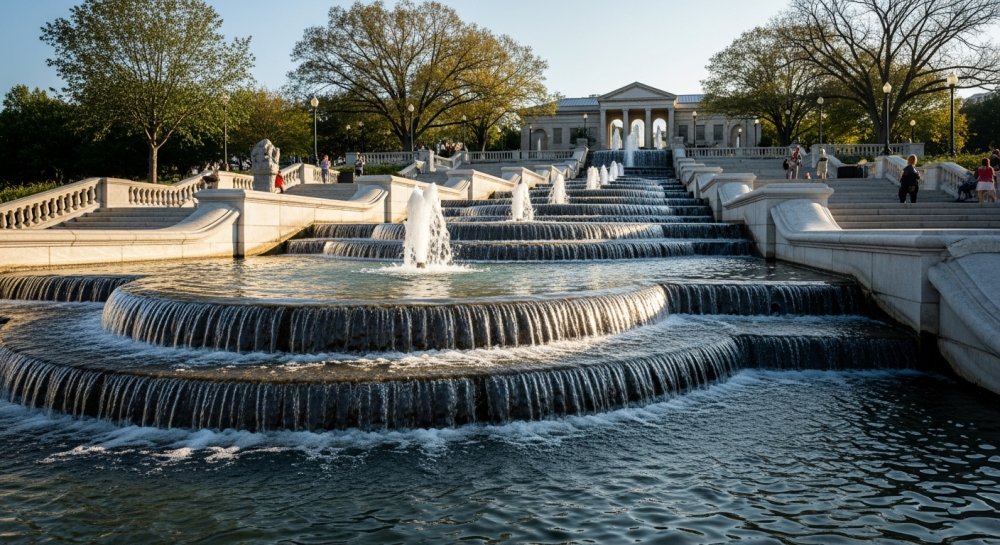
After nearly ten years of bureaucratic dysfunction and broken promises, the historic fountains at Meridian Hill Park in Washington D.C. are flowing once again. The restoration marks a rare moment of bipartisan acknowledgment in the nation’s capital, with officials from both parties recognizing the achievement.
The cascading fountains, a beloved landmark in the historic park, had sat dormant for years while federal bureaucrats shuffled paperwork and ignored the concerns of local residents. The failure to maintain one of Washington’s most iconic public spaces became a symbol of government incompetence.
EXCLUSIVE VIDEO/PHOTOS: Meridian Hill/Malcolm X Park Fountains Flowing!! – Glorious: https://t.co/PeaBVKzlZK
— PoPville (@PoPville) May 7, 2026
Now, the successful restoration has become so undeniable that even Democratic officials have been forced to publicly praise the accomplishment. The achievement stands in stark contrast to years of neglect under previous administrations that allowed the fountains to deteriorate.
The park’s revival demonstrates what can happen when government prioritizes results over red tape. Local residents and visitors are celebrating the return of the fountains, which have been a centerpiece of the National Park Service site for generations.
Meridian Hill Park, also known as Malcolm X Park, has long been a gathering place for the community. The restoration of its fountains represents more than just infrastructure repair—it symbolizes a commitment to preserving America’s heritage and serving the people who depend on public spaces.
The project’s success comes after years of advocacy from community groups who refused to accept bureaucratic excuses. Their persistence finally paid off when action replaced the endless delays that had become standard operating procedure in the nation’s capital.
Officials involved in the restoration credit improved coordination and a renewed focus on completing projects rather than simply studying them. The approach marks a departure from the analysis paralysis that has plagued too many government initiatives.
As the fountains flow again, they serve as a reminder that government can work when leaders prioritize getting things done. The transformation of Meridian Hill Park from a symbol of neglect to a restored treasure offers hope that other long-delayed projects can also see completion.
Americans deserve better than decades of bureaucratic dysfunction—and this restoration proves what’s possible when accountability returns to government.