National Security
Trump’s Blockade Squeezes Iran as Regime Shields Military While Citizens Face Rationing
Liberty Check
- The U.S. naval blockade is cutting off Iran’s oil revenue, a direct application of American strength to defend national interests without endless foreign entanglements.
- Tehran’s leaders appear ready to slash civilian programs and let inflation crush ordinary Iranians rather than touch military or IRGC funding.
- Washington’s pressure campaign exposes the regime’s priorities: protect its weapons programs while passing economic pain to the people.
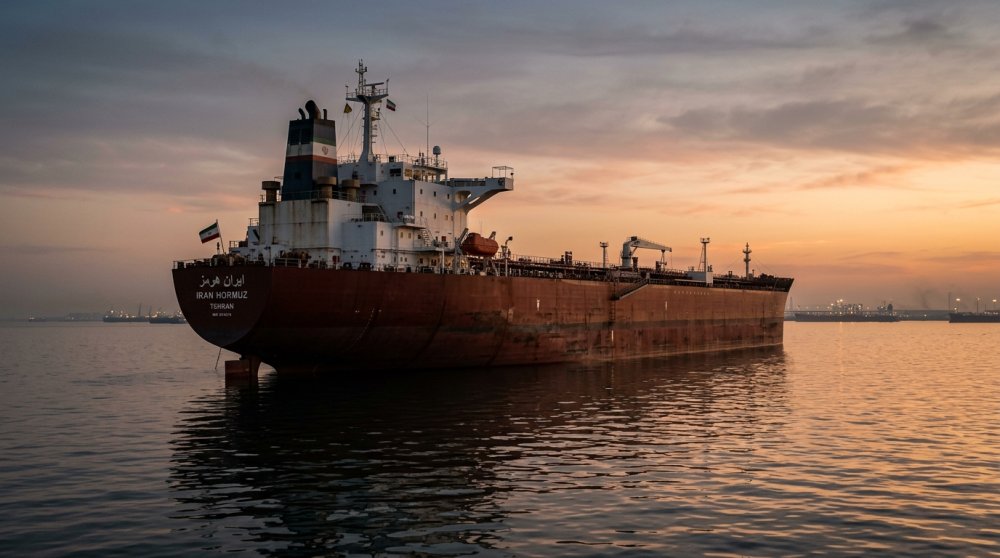
Iran’s floating oil reserves have hit zero. Energy analysts now project that Tehran’s seaborne crude revenues could vanish by mid-December.
The blockade is working exactly as intended. Yet the regime is already signaling it will shield military spending while ordinary citizens absorb the blow through higher inflation and weaker purchasing power.
“The December timeline is more of a cash flow kind of disruption, and not really a collapse state,” said sanctions expert Miad Maleki.
Oil accounts for roughly thirty percent of Iran’s government budget. Losing that stream forces hard choices. Tehran can borrow, print money, or simply cut subsidies and pensions.
Analyst Gregory Brew warns that military spending will likely stay protected or even rise. “Non-military spending is going to be slashed significantly, while military spending is going to be maintained and might even increase because of the overall war footing that the Iranian regime has been put on,” Brew said.
The Islamic Revolutionary Guard Corps already receives roughly two hundred thousand barrels of crude per day. Those barrels can be sold abroad to fund weapons, missiles, and proxy groups like Hezbollah and Hamas.
Meanwhile the rial weakens and inflation erodes household budgets. “The purchasing power of Iranians incrementally declines,” Maleki noted.
Smaller overland and Caspian shipments may continue, but they cannot replace the lost tanker traffic. The real test arrives in March when Iran must pass its next budget under far tighter revenue.
“There’s going to be economic unrest, potentially even economic turmoil as the government rolls out spending cuts,” Brew said.
Americans deserve better.