WWII Hero’s Ultimate Sacrifice Puts Modern ‘Heroes’ to Shame
Liberty Check
- Army Sgt. Thomas Alexander Baker Jr. gave everything defending freedom in the Pacific Theater during WWII
- His extraordinary valor during the Battle of Saipan earned him a posthumous Medal of Honor and promotion
- Baker’s selfless sacrifice reminds us what true heroism looks like in an age of participation trophies
In an era when the word “hero” gets thrown around for simply showing up, the story of Army Sgt. Thomas Alexander Baker Jr. stands as a stark reminder of what genuine courage and sacrifice actually mean. This is the kind of American warrior our nation was built on — the kind today’s woke military leadership seems determined to forget.
Baker served as an infantryman in the brutal Pacific Theater during World War II, where American forces faced fanatical resistance island by island. Born in Troy, New York, on July 25, 1916, Baker embodied the Greatest Generation’s willingness to put country before self — a concept that seems increasingly foreign in today’s self-absorbed culture.
During the ferocious Battle of Saipan, Baker displayed such extraordinary heroism that he was posthumously promoted from private to sergeant and awarded our nation’s highest military honor, the Medal of Honor. His actions weren’t about virtue signaling or social media glory. They were about protecting his fellow soldiers and completing the mission, no matter the cost.
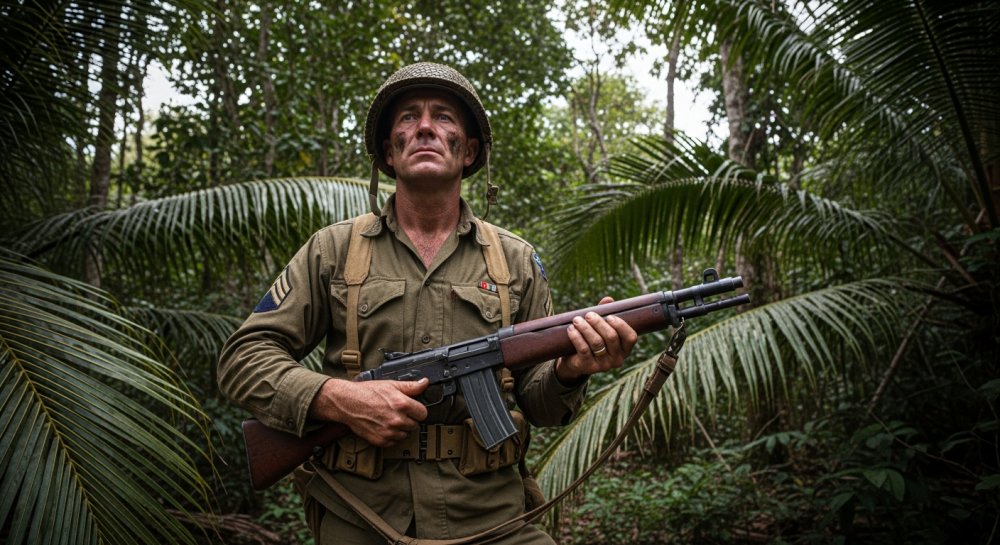
The Pacific campaign was hell on earth — jungle warfare against an enemy that refused to surrender, in suffocating heat and humidity that would break most modern Americans who complain about their office temperature. Yet Baker and his generation pressed forward, liberating territory and saving countless lives through their sacrifice.
While today’s military brass obsesses over pronouns and diversity quotas, stories like Baker’s get pushed aside. The current administration seems more interested in purging conservatives from the ranks than honoring the warriors who actually built America’s military reputation. That’s not just disrespectful — it’s dangerous.
Baker’s legacy stands in direct contrast to the weakness we see creeping into our armed forces today. He didn’t need sensitivity training or safe spaces. He needed courage, determination, and an unwavering commitment to his brothers in arms. That’s the spirit that won World War II and kept America free.
The Medal of Honor isn’t participation trophy. It’s reserved for those who go above and beyond in the face of enemy fire, often at the cost of their own lives. Baker earned every bit of that recognition through blood, sweat, and ultimate sacrifice — something today’s social justice warriors will never understand.
As we remember Sgt. Baker’s service, we should ask ourselves: Are we honoring the legacy of men like him, or are we allowing their sacrifices to be forgotten in the rush to remake our military into something unrecognizable? The answer matters more than most Americans realize.
Our freedoms depend on staying vigilant.