Health
WHO Raises Alarm Over Mystery Pneumonia Cases in Russia
Liberty Check
- Global institutions are once again inserting themselves into sovereign nations’ affairs.
- Media reports of unexplained pneumonia raise serious questions about transparency and safety protocols.
- American taxpayers should question why U.S. funds continue to support international health bureaucracies.
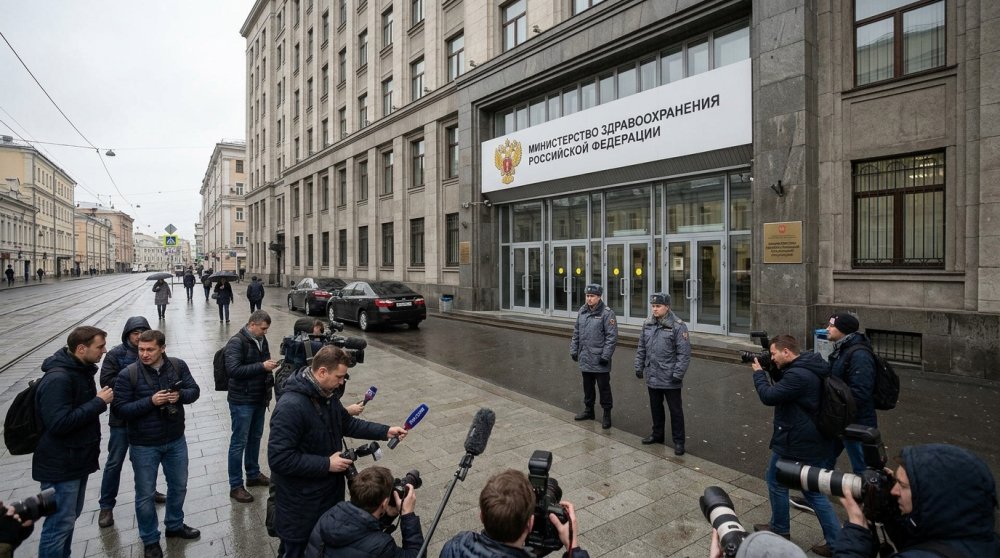
The World Health Organization is pressing Russian officials for answers after reports emerged of a second laboratory worker struck by pneumonia of undetermined cause. This comes just days after an anti-plague lab employee died from the same mysterious illness.
Health officials in Moscow have yet to provide a full explanation for the two cases, prompting the WHO to demand more information on the nature of the illness and any potential public health risks.
Since the first media reports, @WHO has been actively following up on the reported death of a laboratory worker at the Irkutsk Antiplague Research Institute in Irkutsk oblast, Russian Federation. The individual died on 2 October 2026 after being hospitalised with severe… pic.twitter.com/1vikwtwVtS
— Tedros Adhanom Ghebreyesus (@DrTedros) October 6, 2026
President Trump says he is set to speak by phone with Russian President Vladimir Putin “very soon” over a possible plague case at a Siberian research institute.
Trump says the U.S. is in “very deep discussions” on the case and could report more information as soon as Wednesday.… https://t.co/4jF9XIS894 pic.twitter.com/Exg8otxZyL
— One America News (@OANN) October 6, 2026
CDC is aware of and closely monitoring reports of a suspected case of pneumonic plague in the Irkutsk region of Russia that resulted in a death. We are working across the U.S. government to assess developments as additional information becomes available.
While the circumstances…
— CDC (@CDCgov) October 6, 2026
“We are seeking further details from Russian authorities regarding these reported cases,” a WHO spokesperson stated.
The incidents have drawn renewed attention to Russia’s handling of dangerous pathogens and the adequacy of safety measures at its specialized laboratories.
Critics argue that the WHO’s involvement reflects its pattern of overreach into the internal matters of sovereign nations, especially when questions about laboratory safety and transparency remain unanswered.
Our freedoms depend on staying vigilant.