Health
EXPOSED: Why Leftists Are Obsessed With Self-Care While Economy Crumbles
Liberty Check
- Americans prioritize personal wellness spending even as Biden-era inflation crushes household budgets nationwide
- Self-care industry thrives while working families struggle with soaring prices for groceries, gas, and basic necessities
- Cultural shift toward ‘treat yourself’ mentality reveals disconnect between elite consumer class and struggling middle America
For many Americans, the past few years have been marked by a strange contradiction. On the one hand, concerns about inflation and the rising cost of living continue to dominate headlines under the Biden-Harris economic disaster. On the other, spending on self-care products remains surprisingly strong despite financial hardship hitting Main Street.
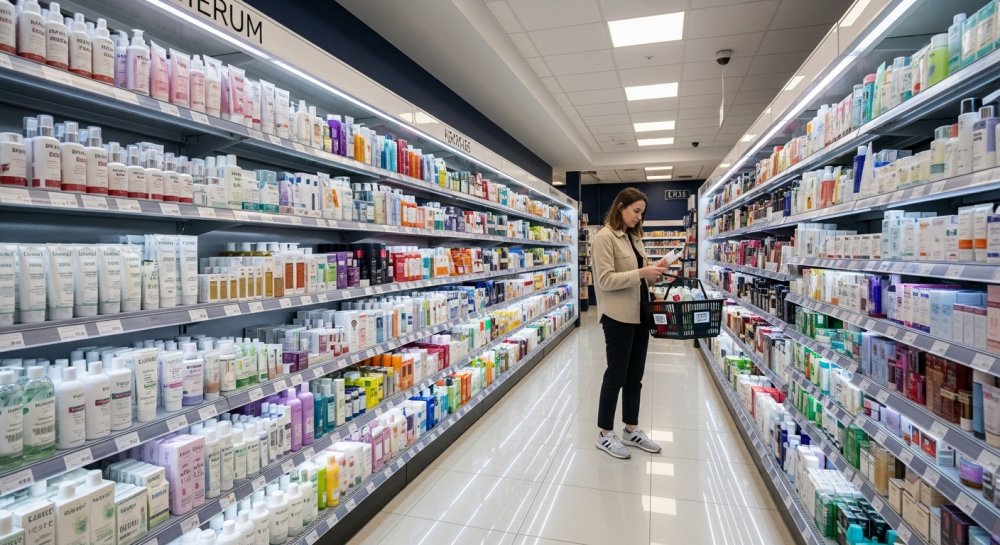
Walk into any beauty store on a weekday afternoon, and the shelves tell a story of misplaced priorities. While working families cut back on essentials, the self-care industry continues to flourish. This phenomenon raises serious questions about cultural values and economic priorities in modern America.
The disconnect is jarring. Grocery prices have skyrocketed, gas remains painfully expensive, and housing costs have become unaffordable for millions. Yet the wellness and beauty sectors report robust sales quarter after quarter. What explains this apparent contradiction?
Part of the answer lies in the demographic divide. Those with discretionary income continue spending freely while middle-class families tighten their belts dramatically. The self-care boom isn’t universal—it reflects the reality that certain Americans remain insulated from the economic pain devastating their neighbors.
Marketing campaigns have successfully reframed luxury purchases as “essential” self-care rather than optional indulgences. This psychological shift allows consumers to justify spending they might otherwise recognize as financially irresponsible. The cultural message that personal pampering equals mental health creates permission structures for continued consumption.
Social media amplifies this trend exponentially. Influencers showcase elaborate skincare routines and spa-like home experiences, creating aspirational content that drives purchasing decisions. The fear of missing out pushes consumers toward products they don’t truly need while their savings accounts dwindle.
The self-care phenomenon also reveals broader cultural shifts away from traditional values of thrift and financial discipline. Previous generations understood the importance of living within means and preparing for uncertainty. Today’s consumer culture celebrates immediate gratification over long-term stability.
Credit card debt has reached record levels as Americans finance lifestyles they cannot afford. The self-care industry benefits directly from this debt-fueled spending spree while families mortgage their futures for temporary pleasures. The consequences will prove devastating when economic reality finally catches up.
Some defend self-care spending as necessary for mental health maintenance during stressful times. However, genuine wellness doesn’t require expensive products or luxury treatments. True self-care means making responsible financial choices that provide long-term security rather than fleeting satisfaction.
The contrast with previous economic downturns is striking. During past recessions, Americans dramatically curtailed non-essential spending and focused on necessities. Today’s continued self-care spending suggests either dangerous denial about economic conditions or troubling shifts in financial priorities across certain demographics.
Industry analysts predict the self-care market will continue expanding despite economic headwinds. This projection assumes current spending patterns persist even as inflation erodes purchasing power further. The sustainability of this model remains highly questionable.
Conservative financial principles emphasize living within means, building savings, and prioritizing genuine needs over manufactured wants. The self-care spending boom represents the opposite approach—embracing debt, prioritizing indulgence, and ignoring economic warning signs.
Americans deserve better economic leadership and a return to financial common sense.