Health
Flesh-Eating Parasite EXPLODES Across Texas Border As Officials Scramble
Liberty Check
- Dangerous flesh-eating parasite spreading rapidly through Texas with officials struggling to contain outbreak
- Border security failures may be enabling disease transmission that puts American families at risk
- Yet another public health crisis demanding immediate action and accountability from government leaders
A dangerous flesh-eating parasite is spreading through Texas, sparking urgent containment efforts from state officials as the infestation continues to grow. The outbreak has raised serious questions about border security and public health preparedness.
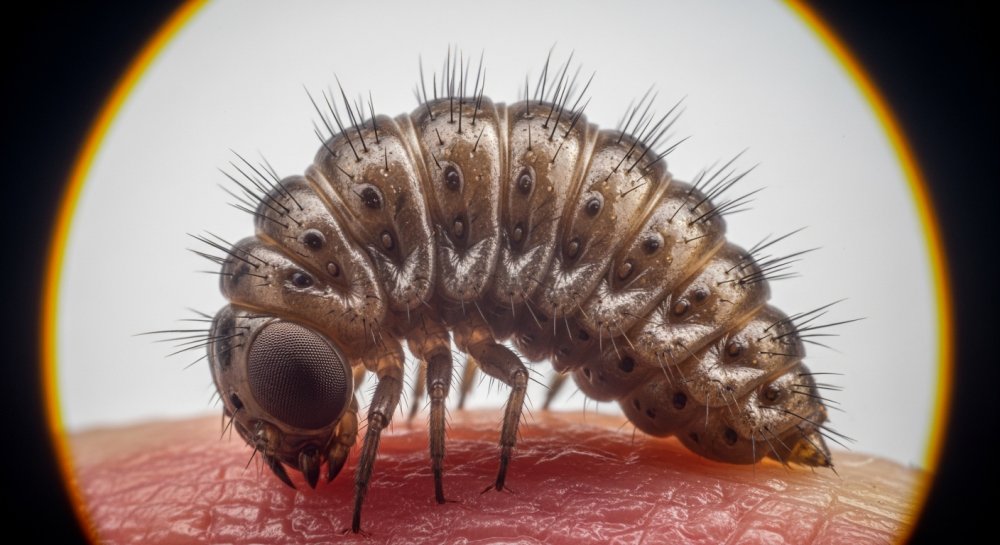
The parasite, known as New World screwworm, has been confirmed in multiple locations across Texas. Officials are racing to prevent further spread of the flesh-eating pest that poses risks to both livestock and potentially humans.
At least 12 cases of the New World screwworm have been confirmed, according to the USDA, including a pet dog in New Mexico. The other cases involve cattle and other livestock in Texas. NewsNation’s Xavier Walton has the latest on what’s being done to maintain the outbreak.
More:… pic.twitter.com/BfdKXRoisC
— NewsNation (@NewsNation) June 15, 2026
🥊 MAIN EVENT 🥊
Sterile Fly vs. New World Screwworm. One enters to reproduce. One enters to end the bloodline. 🪰
One mission. One goal. Knockout New World screwworm!
Learn more about the sterile insect technique that’s being used to control and eradicate NWS at… pic.twitter.com/a4SXatIOZd
— Dept. of Agriculture (@USDA) June 12, 2026
In addition to the Texas cases, one instance has been reported in New Mexico, suggesting the problem may be expanding beyond state lines. The screwworm fly lays eggs in open wounds of warm-blooded animals, and the hatched larvae literally eat living tissue.
Texas agriculture officials have implemented emergency protocols to track and eliminate the parasite. The situation demands aggressive action as the economic impact on ranchers and farmers could reach catastrophic levels if left unchecked.
Border security experts are raising concerns about how the parasite entered U.S. territory. The screwworm was declared eradicated from the United States decades ago through coordinated efforts, making this outbreak particularly alarming.
The timing couldn’t be worse for Texas ranchers already dealing with drought conditions and economic pressures. This additional threat to livestock operations adds another burden to hardworking American agricultural producers.
State veterinary officials are working around the clock to identify infected animals and prevent the parasite from establishing a permanent presence. The response requires significant resources and coordination across multiple agencies.
Questions remain about whether current border security measures are adequate to prevent the introduction of foreign pests and diseases. This outbreak serves as a stark reminder that porous borders threaten more than just national security—they endanger public health and American livelihoods.
The infestation highlights the critical need for comprehensive border enforcement. When diseases that were eliminated from our country suddenly reappear, Americans have every right to demand answers about how our borders are being protected.
Texas officials deserve credit for their rapid response, but prevention should have kept this threat out of the country entirely. The situation underscores broader failures in border management that have real-world consequences for American families and businesses.
Americans deserve better.