Crime
EXPOSED: Surveillance Giant Caves After Police Abuse Network
Liberty Check
- Major surveillance company forced to alter platform after law enforcement caught abusing citizen tracking system
- Privacy advocates push back against mass license plate monitoring network spanning thousands of communities
- Constitutional concerns mount as unaccountable tech firms enable warrantless surveillance of American drivers
A major surveillance technology company is scrambling to revamp its controversial license plate tracking network after mounting evidence revealed law enforcement agencies have been abusing the system to monitor Americans without proper oversight.
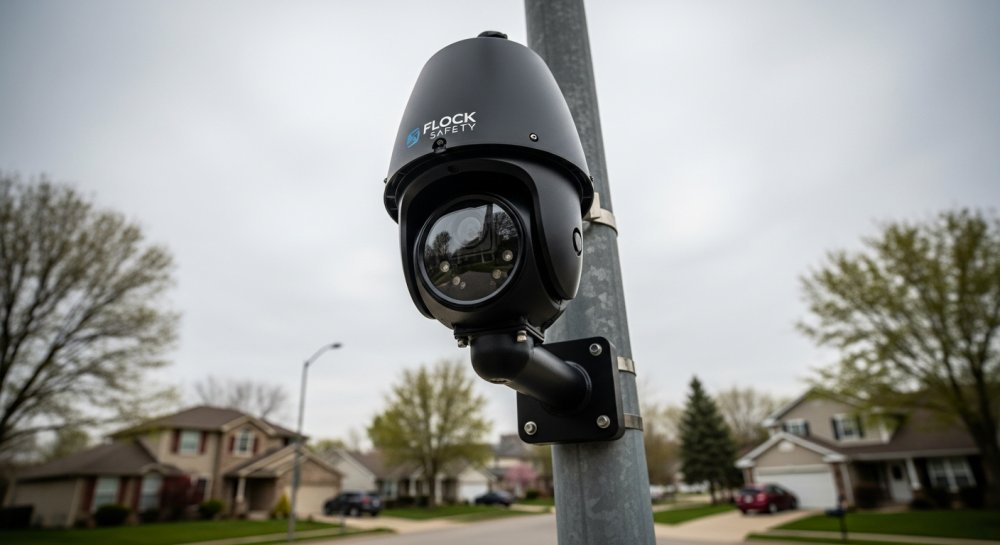
Flock Safety, which operates automated license plate readers across thousands of U.S. communities, announced platform changes designed to address what the company admits are legitimate privacy concerns and documented misuse by police departments.
The network has come under fire from civil liberties advocates who warn that the technology enables mass surveillance of law-abiding citizens going about their daily lives. The system captures and stores data on vehicles passing cameras installed throughout neighborhoods, creating a comprehensive database of Americans’ movements.
Critics argue the technology represents an unprecedented expansion of government surveillance capabilities without adequate constitutional safeguards. Unlike traditional law enforcement methods that require warrants and probable cause, these automated systems indiscriminately collect data on every vehicle that passes, regardless of whether drivers are suspected of any wrongdoing.
The announced changes come after reports surfaced of police officers accessing the system inappropriately, raising serious questions about accountability and the potential for abuse when powerful surveillance tools lack proper oversight mechanisms.
Privacy advocates have long warned that license plate reader networks create detailed profiles of citizens’ daily routines, tracking where they go, when they travel, and who they associate with — all without a warrant or reasonable suspicion of criminal activity.
The technology has proliferated rapidly across American communities, often installed with minimal public debate about the implications for Fourth Amendment protections against unreasonable searches.
The Constitution must be defended.