Crime
Farmers Turn to On-Site Stays as Costs Soar
Liberty Check
- Farmers are forced to diversify income to survive crushing government-driven costs
- Private enterprise and tourism are proving more effective than federal subsidies
- Local communities benefit when rural landowners keep operations running
American farmers are finding new ways to stay on their land as regulatory burdens and skyrocketing input costs threaten traditional operations. Some are opening their gates to paying guests who want an authentic taste of rural life.
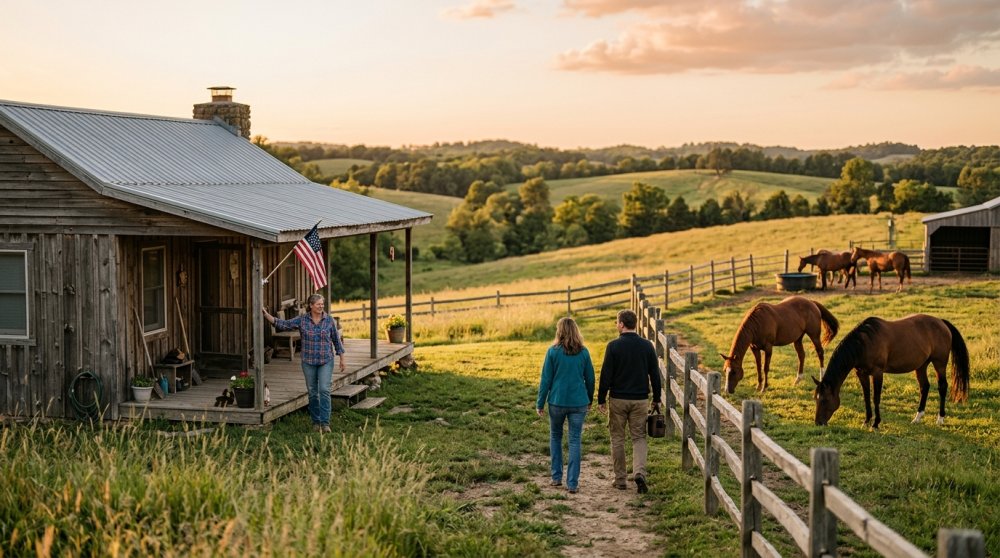
At Lynette Ralph’s horse ranch in Missouri, visitors can book short stays in a cabin and wake up to the sight of horses grazing. Guests are invited to explore the grounds, feed the animals, and even pay extra for riding lessons.
“You have access to the farm life, the horses, the barns,” Ralph said.
For Ralph, the extra revenue is not a luxury. It is the difference between keeping the ranch open and selling off her horses and property.
“If I didn’t have the short-term rentals associated with the riding program, I would have to probably liquidate, sell the horses, sell the property,” she said.
Airbnb and American Farmland Trust are rolling out a new grant program to help more farm families tap into agritourism. The move comes as USDA data shows many smaller operations posted a median loss of roughly $2,800 last year.
David Haight of American Farmland Trust says the program gives families a practical way to offset losses without waiting for more federal aid.
“Many families are looking for ways to diversify income, and so bringing people out to the farm or ranch for some is a way to help bring in other dollars,” Haight said.
Searches for farm stays on Airbnb jumped 61 percent in the first half of 2026 compared with the same period last year. Hosts typically earned about $8,000 each in 2025, while U.S. farm-stay operators together brought in nearly $120 million.
In Georgia, host Gilda Lyon used rental income to build new cabins, start an herb business, and maintain her blueberry plants.
“The extra income actually has allowed me to invest, in many improvements and to expand the opportunities available for guests,” Lyon said.
The new “Farm to Stay” grants will award 25 to 30 payments of up to $10,000 each beginning in November. Funds can help cover fencing, barn renovations, and guest-ready accommodations.
Haight notes the spending by visitors also boosts nearby restaurants and shops, keeping rural economies alive.
Ralph says the arrangement lets her keep doing what she loves without government interference.
“The short-term rental has totally facilitated my being able to stay here and do the things that I love,” she said.
Our freedoms depend on staying vigilant.