National Security
BETRAYAL: Insider Threat Officer at Defense Intelligence Agency Caught in Shocking Espionage Scheme
Liberty Check
- Former Defense Intelligence Agency officer tasked with preventing insider threats betrayed the nation by committing espionage himself
- The guilty plea exposes serious vulnerabilities in how our intelligence agencies vet and monitor personnel with access to classified materials
- This case underscores the urgent need for stronger accountability measures to protect America’s most sensitive national security secrets
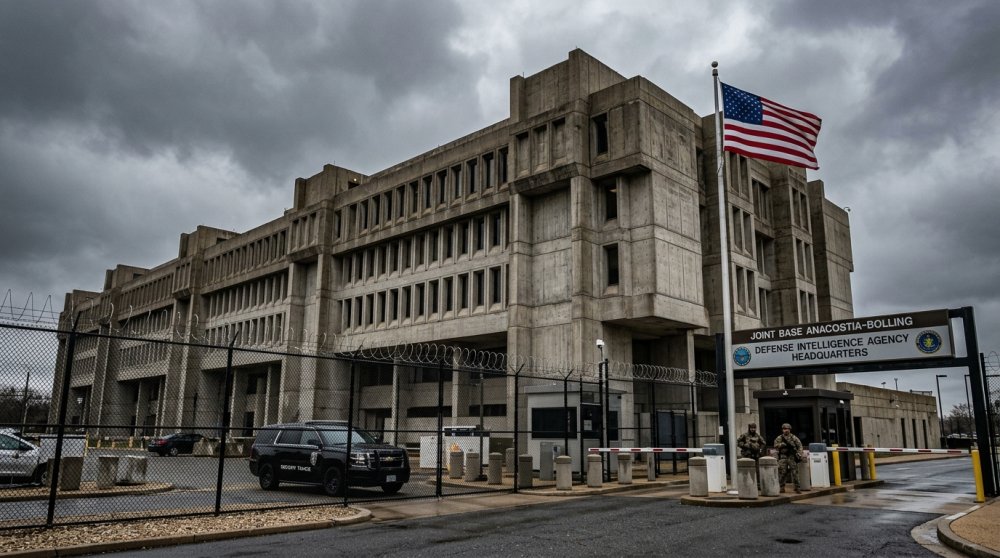
A former Defense Intelligence Agency (DIA) officer whose job was literally to stop insider threats has pleaded guilty to espionage charges. The irony is almost too painful to comprehend — the very person tasked with protecting classified information from leaks was himself selling out his country.
The guilty plea represents one of the most disturbing security breaches at a critical intelligence agency in recent memory. This wasn’t just another low-level employee with clearance; this was someone specifically charged with identifying and preventing exactly the kind of betrayal he himself committed.
Details of the espionage operation reveal a calculated, deliberate effort to compromise national security for personal gain. The officer had access to some of the nation’s most sensitive intelligence materials, and he exploited that access in ways that could have — and likely did — put American lives at risk.
The DIA is one of the Pentagon’s most important intelligence-gathering arms, responsible for providing military intelligence to warfighters, defense planners, and policymakers. When someone at that level of trust turns traitor, the damage extends far beyond mere embarrassment.
This case raises fundamental questions about the vetting process for personnel with top-secret clearances. How does someone entrusted with preventing insider threats become one himself? What warning signs were missed? And most importantly, how many others might be out there doing the same thing?
The guilty plea means taxpayers won’t have to fund a lengthy trial, but it also means we may never learn the full extent of the damage. Plea agreements often seal off critical information that the public has every right to know about how their government protects — or fails to protect — national security secrets.
Intelligence agencies have grown into massive bureaucracies with thousands of employees holding security clearances. The sheer scale makes comprehensive monitoring nearly impossible, but that’s no excuse for allowing someone in such a sensitive position to commit treason.
Conservative lawmakers have long warned about the dangers of an bloated intelligence apparatus where accountability gets lost in layers of bureaucracy. This case proves those concerns were well-founded. When even the people charged with stopping leaks become leakers themselves, the entire system is broken.
The espionage charges carry serious prison time, as they should. Anyone who betrays their oath to protect and defend the Constitution deserves the harshest possible consequences. There can be no sympathy for those who sell out their fellow Americans for money or ideology.
What remains unclear is who this officer was working for and what specific intelligence he compromised. Those details matter enormously to understanding the scope of the threat and ensuring no other co-conspirators remain embedded in our intelligence agencies.
The American people deserve complete transparency about how this happened and what steps are being taken to prevent similar breaches. National security requires public trust, and that trust has been severely damaged by this betrayal from within.
Intelligence reform must be a priority. That means stricter vetting, continuous monitoring of personnel with access to classified materials, and zero tolerance for any hint of compromise. The old boys’ network mentality that sometimes protects insiders must be dismantled.
Our freedoms depend on staying vigilant.