National Security
Military Insiders Warn U.S. Defenseless Against Terrifying New Threat
Liberty Check
- American military bases face catastrophic vulnerability to drone swarm attacks that have already devastated forces overseas
- Enemy nations could overwhelm our air defenses with coordinated waves of unmanned aircraft targeting critical infrastructure
- U.S. defense infrastructure remains dangerously unprepared for warfare tactics already proven effective against our troops abroad
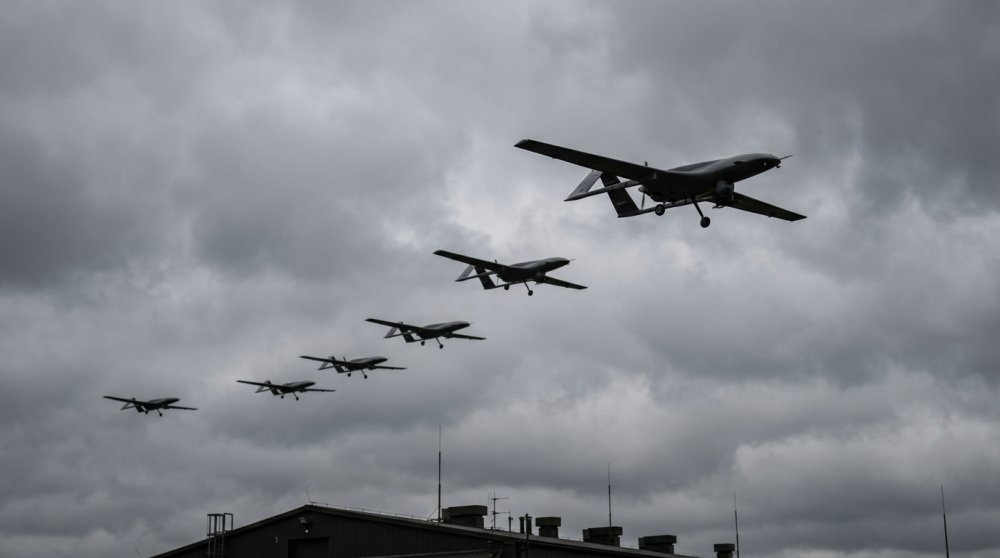
The U.S. military finds itself in a desperate race against time to defend against a nightmare scenario that has transitioned from theoretical concern to imminent threat. Enemy drone swarms, the same tactical weapon that has repeatedly struck American forces on foreign soil, now pose a direct danger to the homeland itself.
Military installations and critical infrastructure across the nation remain alarmingly exposed to coordinated attacks from waves of unmanned aerial vehicles. These swarms could strike as part of a calculated offensive designed to saturate and collapse American air defense systems through sheer numerical superiority.
The threat assessment comes as adversarial nations have demonstrated both the capability and willingness to deploy drone swarm technology in active combat zones. What American forces have witnessed overseas could soon materialize over U.S. territory, with potentially catastrophic consequences for national security.
Current defensive measures appear woefully inadequate against the scale and sophistication of modern drone warfare. The technology required to detect, track, and neutralize hundreds or thousands of small, fast-moving aerial targets simultaneously remains in development while the threat continues to evolve.
Military strategists recognize that enemy forces could coordinate drone attacks with other offensive measures, creating a multi-layered assault that exploits gaps in American defensive capabilities. Such coordinated strikes could target power grids, communications networks, military command centers, and other essential infrastructure.
The vulnerability extends beyond military installations to civilian infrastructure that underpins daily American life. Energy facilities, transportation hubs, and communication networks all present potential targets for adversaries seeking to inflict maximum disruption with minimal risk to their own forces.
Defense officials scramble to accelerate the deployment of counter-drone systems capable of addressing swarm attacks, but significant technological and logistical hurdles remain. The gap between current capabilities and emerging threats grows wider as hostile nations advance their drone warfare programs.
The American people deserve honest answers about our preparedness for this evolving threat landscape. Years of focus on conventional warfare and counterterrorism operations may have left critical vulnerabilities in homeland defense against asymmetric technological attacks.
Our freedoms depend on staying vigilant.