National Security
Pentagon’s SHOCKING New Mandate Every Soldier Must Now Obey
Liberty Check
- Department of War mandates annual testosterone screenings for all service members 30 and older, effective immediately
- New clinical guidelines represent unprecedented federal intervention in military health protocols
- Policy raises questions about readiness standards and government overreach in medical decisions
The U.S. Department of War has rolled out sweeping new clinical guidelines that will fundamentally change health screening protocols for millions of American service members.
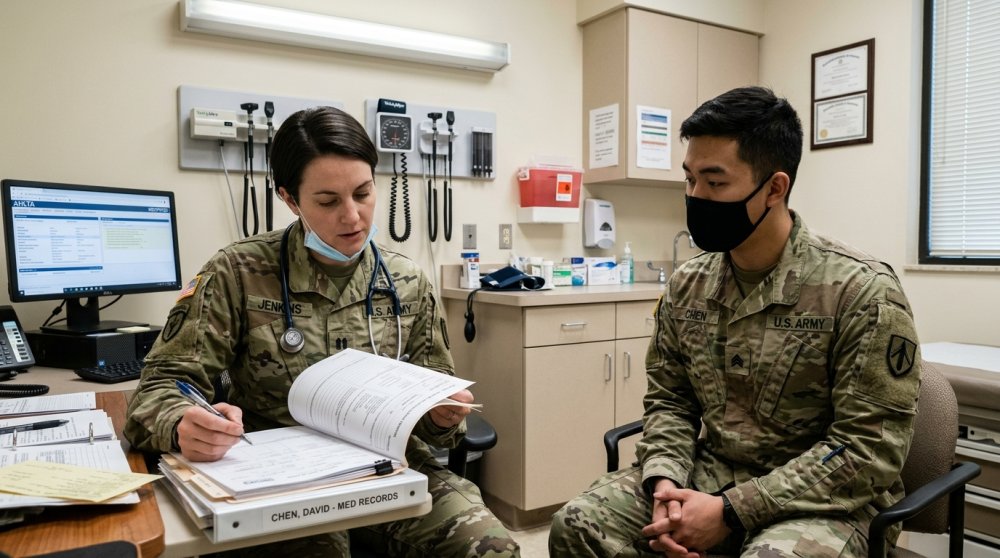
Under the new mandate, every active-duty and reserve military member aged 30 and older must undergo annual testosterone deficiency screenings. The policy went into effect immediately upon issuance, leaving no grace period for implementation.
Discipline shows in the details.@USMC recruits at Parris Island, S.C. put their precision and coordination to the test during Final Drill. pic.twitter.com/poRAwgdfm7
— Department of War 🇺🇸 (@DeptofWar) September 2, 2026
The comprehensive guidelines represent an unprecedented expansion of mandatory medical testing within the armed forces. While the Department of War frames the initiative as a readiness and health optimization measure, critics are raising concerns about the scope of federal medical mandates and their implications for service member autonomy.
The testosterone screening requirement applies across all branches of the military, affecting hundreds of thousands of personnel who previously had no such obligation. Reserve component members, who typically face fewer routine medical requirements than their active-duty counterparts, are now subject to the same annual testing protocols.
Questions remain about how the massive screening program will be implemented logistically, what the cost to taxpayers will be, and what actions the military may take based on screening results. The guidelines do not appear to include exemptions based on personal or religious beliefs.
The move comes as the Pentagon continues to face scrutiny over various health and readiness policies. Conservative lawmakers have increasingly questioned whether military leadership is prioritizing the right issues when it comes to force readiness and lethality.
The immediate effective date means service members and military medical facilities had no transition period to prepare for the new requirements, raising operational concerns about implementation capacity and standardization across the force.
Our freedoms depend on staying vigilant.