Science & Tech
Big Tech’s SURVEILLANCE Nightmare — Your Privacy Under Attack
Liberty Check
- Tech giants are harvesting your data every second — building profiles on your habits, beliefs, and location without your real consent
- Government agencies and shadowy advertisers gain access to intimate details of your life through backdoor deals with Big Tech
- Americans can fight back by disabling invasive tracking features and reclaiming digital freedom
Every click you make, every message you send, and every app you open is being monitored. Big Tech platforms, data brokers, advertisers, and even government agencies are quietly building detailed dossiers on American citizens — tracking your habits, beliefs, political leanings, and real-time location.
Most of this surveillance happens without your knowledge or meaningful consent. You’re being profiled by entities you’ve never heard of, let alone agreed to share your personal information with.
The scale of this data harvesting is staggering. Companies like Google, Apple, Facebook, and Amazon collect billions of data points daily from smartphones, smart home devices, web browsers, and apps. This information is then sold, shared, or handed over to third parties — including government agencies that bypass constitutional protections by purchasing data rather than obtaining warrants.
Your smartphone is the primary surveillance tool. Location services track everywhere you go. Microphones and cameras can be activated remotely. Apps running in the background monitor your behavior even when you’re not actively using them.
But Americans don’t have to accept this invasion of privacy. There are concrete steps every citizen can take to fight back against Big Tech’s surveillance machine.
Disable Location Tracking
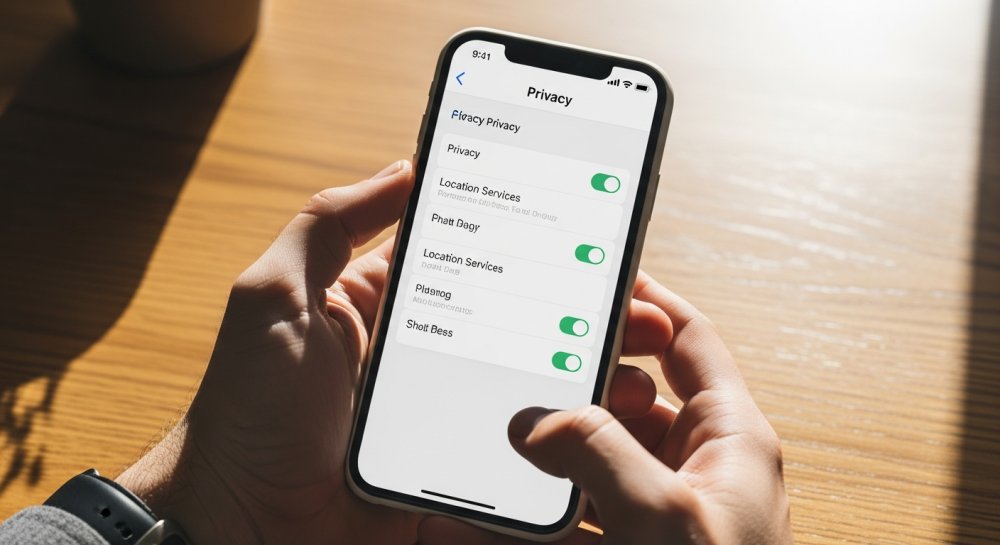
Go into your phone’s settings and turn off location services for all apps that don’t absolutely require it. For essential apps like maps, set location access to “only while using the app” rather than “always.”
Disable location history entirely in your Google or Apple account settings. This prevents companies from building a comprehensive map of everywhere you’ve been.
Limit App Permissions
Review which apps have access to your microphone, camera, contacts, and photos. Revoke permissions for any app that doesn’t need them to function. Social media apps are notorious for requesting far more access than necessary.
On iPhone, go to Settings > Privacy & Security. On Android, navigate to Settings > Privacy > Permission Manager.
Use Privacy-Focused Alternatives
Ditch Google Chrome for browsers like Brave or Firefox with enhanced tracking protection. Replace Gmail with ProtonMail or Tutanota, which offer end-to-end encryption.
Switch your default search engine from Google to DuckDuckGo or Brave Search — engines that don’t track your queries or build profiles on you.
Block Tracking Scripts
Install browser extensions like Privacy Badger, uBlock Origin, or Ghostery to block invisible trackers embedded in websites. These tools prevent advertisers and data brokers from following you across the internet.
Opt Out of Data Sharing
Both Apple and Android offer settings to limit ad tracking. On iPhone, go to Settings > Privacy & Security > Tracking and toggle off “Allow Apps to Request to Track.”
On Android, navigate to Settings > Privacy > Ads and select “Delete advertising ID.”
Visit optoutprescreen.com to stop data brokers from selling your information to credit card companies and marketers. Submit opt-out requests to major data brokers like Acxiom, Epsilon, and Oracle.
Encrypt Your Communications
Use Signal or Telegram for messaging instead of SMS or mainstream platforms that scan your conversations. Enable two-factor authentication on all important accounts, but use an authenticator app rather than SMS codes, which can be intercepted.
Review Privacy Settings Regularly
Tech companies constantly update their terms of service and privacy policies, often adding new data collection practices by default. Make it a habit to review your privacy settings quarterly.
Check what data Google, Facebook, Amazon, and other platforms have collected on you. Download your data archives to see exactly what they know. You’ll likely be shocked.
The surveillance state thrives on American complacency. Big Tech and government agencies count on citizens not understanding how deeply they’re being monitored or not caring enough to take action.
But privacy is a constitutional right, not a privilege. The Fourth Amendment protects against unreasonable searches — a protection that’s being eroded in the digital age through corporate-government partnerships that sidestep warrant requirements.
Every American who values freedom should take these steps to reclaim their digital privacy. The more citizens who opt out of Big Tech’s surveillance apparatus, the harder it becomes for these companies to profit from invasive data collection.
Our freedoms depend on staying vigilant.