Science & Tech
Tech Giant CEO Issues CHILLING Warning About Your Future
Liberty Check
- Nvidia CEO predicts artificial intelligence will fundamentally transform American society and daily life within years
- Tech executive claims AI agents will replace traditional work methods and create ‘new social norms’ Americans must accept
- Warning comes as Silicon Valley pushes rapid AI adoption despite concerns about job displacement and freedom
The CEO of one of America’s most powerful tech companies just delivered a stark warning about the future of American life. And conservatives should be paying very close attention.
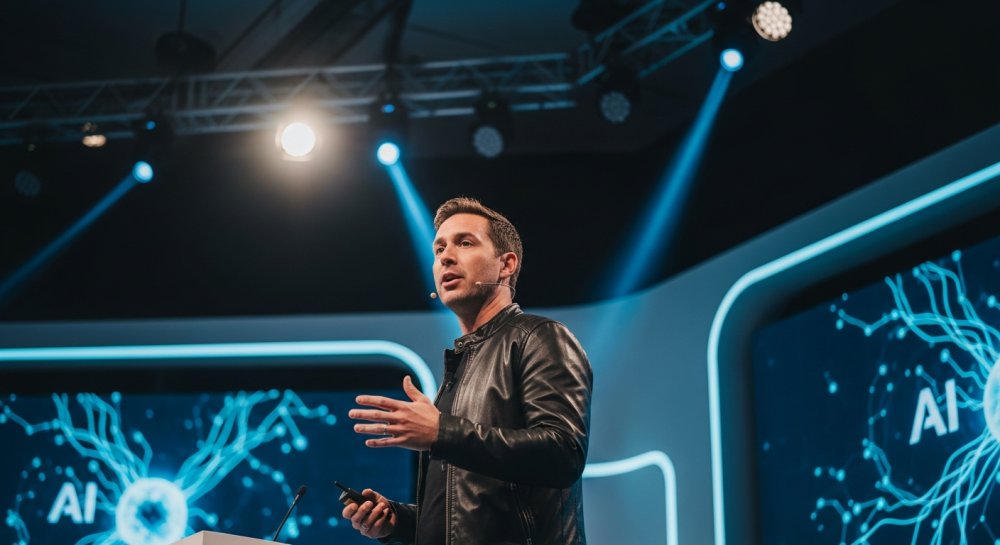
Jensen Huang, who leads the artificial intelligence chipmaker Nvidia, told audiences at a recent technology conference that AI is about to reshape everything Americans know about work, society, and daily existence. His prediction isn’t just about new gadgets — it’s about a fundamental transformation of the American way of life.
“AI is going to change the way we work, the way we live, the way we learn,” Huang declared. He didn’t stop there.
The tech billionaire went further, claiming these changes would create entirely “new social norms” that Americans will be expected to follow. That should raise red flags for anyone who values traditional American freedom and independence.
Huang specifically pointed to the rise of so-called “AI agents” — autonomous software programs designed to perform tasks without human oversight. According to his vision, these digital assistants will soon handle everything from scheduling to complex decision-making. The question conservatives must ask: Who programs these agents, and whose values will they reflect?
The Nvidia chief predicted that within a few short years, every American will have “many AI assistants working on your behalf.” His company stands to profit enormously from this shift, manufacturing the specialized computer chips that power AI systems. Silicon Valley’s financial interests and Americans’ best interests aren’t always aligned.
While Huang presented this transformation as inevitable progress, the reality is more complicated. Rapid AI adoption threatens to displace American workers across multiple industries. Manufacturing jobs, customer service positions, and even white-collar careers could vanish as companies embrace automation over human employees.
The tech executive’s comments also reveal Silicon Valley’s typical arrogance — the assumption that technology executives should dictate how ordinary Americans live and work. Huang spoke confidently about these coming changes as if Americans have no say in the matter.
Conservative Americans have every right to question whether unelected tech billionaires should be reshaping society according to their vision. The Constitution protects Americans’ freedom to choose their own path, not to have “new social norms” imposed from above by corporate elites.
There’s also the matter of dependency. As AI systems take over more aspects of daily life, Americans become increasingly reliant on technology controlled by a handful of massive corporations. That concentration of power should concern anyone who values individual liberty and self-reliance.
The changes Huang describes would also raise serious privacy concerns. AI assistants that manage your schedule, handle your communications, and make decisions on your behalf would need access to vast amounts of personal information. Americans should be skeptical of any system that requires surrendering their privacy to function.
Huang’s warning comes as the AI industry races ahead with minimal oversight or public input. While Americans debate these technologies’ proper role, companies like Nvidia are already building the infrastructure for this AI-dominated future. By the time regulations arrive, the transformation may be complete.
The question isn’t whether AI will play a role in American life — that’s already happening. The real question is whether Americans will control these technologies, or whether these technologies will control Americans.
Traditional American values emphasize human dignity, personal responsibility, and the importance of meaningful work. An AI-driven society that replaces human effort and decision-making with automated systems risks undermining those foundational principles.
Conservatives should also consider the cultural implications. If AI systems are trained primarily by Silicon Valley programmers who don’t share traditional American values, those biases will be baked into the technology. Americans have already seen how Big Tech platforms suppress conservative voices and promote left-wing narratives.
Huang’s confident prediction about “new social norms” reveals how tech leaders view themselves as society’s architects rather than servants. That’s backwards. In America, the people should determine social norms through democratic processes and cultural evolution — not through edicts from corporate boardrooms.
The speed of this transformation is particularly concerning. Huang suggested these dramatic changes would occur within years, not decades. That compressed timeline leaves little room for Americans to thoughtfully consider the implications or demand safeguards for their freedoms.
While artificial intelligence certainly offers benefits, Americans shouldn’t accept radical social transformation just because tech executives decree it inevitable. History shows that unchecked technological change can harm communities, disrupt families, and concentrate power in dangerous ways.
Our freedoms depend on staying vigilant.