Foreign Policy
Iran-Backed Forces Just Shut Down Critical Trade Route — Global Shipping Giants Refuse to Return
Liberty Check
- Iran-backed Yemeni militants are threatening Israeli vessels, forcing major shipping companies to abandon the Red Sea entirely
- Global shipping giant Hapag-Lloyd confirms no plans to return to the critical trade corridor, signaling long-term disruption to international commerce
- Biden’s weak foreign policy emboldens Iranian proxies, allowing them to choke vital waterways while American interests suffer
The Red Sea, one of the world’s most critical shipping corridors, has effectively been closed for business as Iran-backed Yemeni Armed Forces continue their aggressive campaign against Israeli shipping. The escalating threats have forced international shipping companies to abandon the route entirely, with no plans to return.
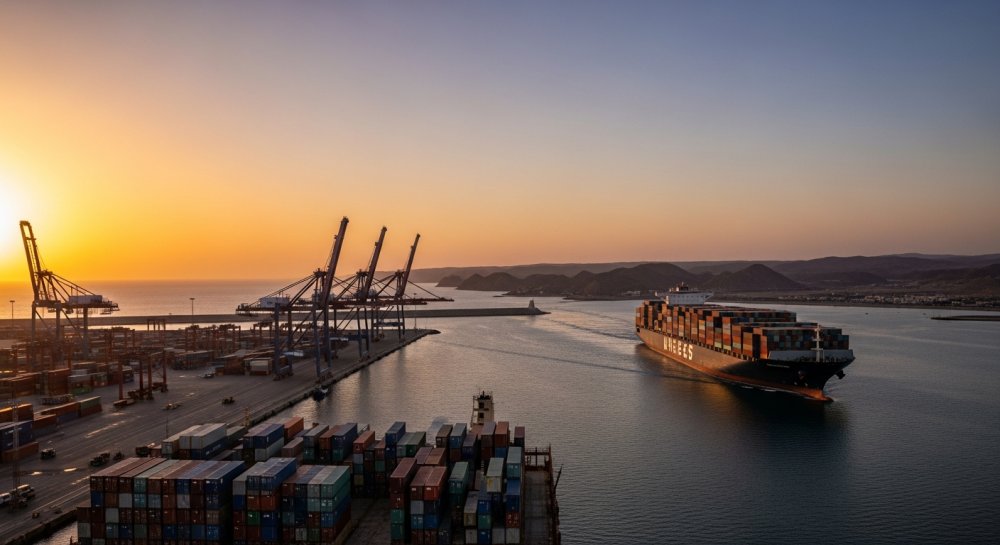
Major global shipping firm Hapag-Lloyd delivered a stark message this week, confirming to media outlets that the company has no intention of resuming Red Sea operations. The decision underscores the severity of the security crisis gripping the vital waterway that connects Asian and European markets.
The Yemeni Armed Forces, operating as a proxy for Iran’s regime, have issued direct threats targeting Israeli shipping vessels. Their campaign of intimidation has succeeded in disrupting one of the world’s most important trade routes, forcing commercial carriers to take significantly longer and more expensive alternate paths around Africa.
This maritime crisis represents yet another consequence of the Biden administration’s failed approach to Iran and Middle Eastern security. By allowing Tehran’s influence to expand unchecked, radical proxies now hold the power to strangle international commerce and threaten freedom of navigation in international waters.
The economic ripple effects are already being felt globally. Longer shipping routes mean higher fuel costs, extended delivery times, and increased prices for consumers. American businesses and families will ultimately bear the financial burden of this disruption, all while the administration appears unwilling or unable to restore order.
The closure of the Red Sea to commercial traffic also raises serious questions about America’s naval presence and willingness to protect international shipping lanes. Freedom of navigation has long been a cornerstone of U.S. foreign policy and global economic stability.
Iran’s strategy is transparent: use militant proxies to project power, disrupt Western commerce, and target Israel while maintaining plausible deniability. The Yemeni Armed Forces serve as Tehran’s expendable foot soldiers in a broader campaign to destabilize the region and challenge American influence.
Major shipping companies are now forced to make impossible choices between risking their vessels and crews or accepting massive financial losses from rerouting. Hapag-Lloyd’s decision signals that the security situation has deteriorated to the point where returning is simply not a viable option.
The international community’s failure to respond forcefully to these threats only invites further aggression. When radical forces can shut down critical trade routes without meaningful consequences, they are emboldened to push even further.
This crisis didn’t have to happen. Strong American leadership and credible deterrence could have prevented Iran’s proxies from gaining this level of control over international waterways. Instead, weakness and hesitation have created a power vacuum that adversaries are all too happy to fill.
Our freedoms depend on staying vigilant.