Foreign Policy
EXCLUSIVE Behind-Closed-Doors Meeting: What Rubio Just PROMISED Gulf Leaders About Iran
Liberty Check
- Secretary of State concludes critical Middle East tour amid growing concerns over U.S.-Iran negotiations
- Gulf partners receive assurances that American deal-making won’t compromise regional security or sovereignty
- Conservative foreign policy approach prioritizes alliance stability over appeasement diplomacy
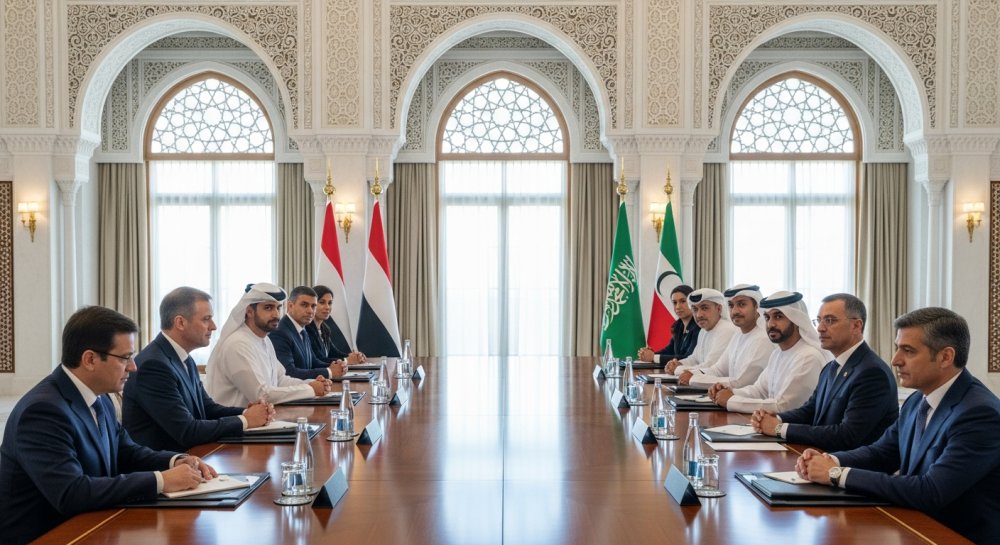
Secretary of State Marco Rubio has concluded a three-day diplomatic mission to the Middle East, meeting with key Gulf allies to address mounting concerns over the recent memorandum of understanding signed between the United States and Iran.
The trip comes at a critical juncture as America’s traditional partners in the region seek clarity on how U.S. negotiations with Tehran will impact their national security interests. Gulf leaders have historically viewed Iran as an existential threat, and any diplomatic engagement with the regime raises red flags across the Arabian Peninsula.
SECRETARY RUBIO: "We will not be making any decisions or commitments that in any way undermines the prosperity, stability, or security of our Gulf partners." pic.twitter.com/FBuMUNMBXF
— Department of State (@StateDept) June 25, 2026
Met with His Majesty King Hamad bin Isa Al Khalifa of Bahrain to reaffirm our enduring partnership and our commitment to Bahrain's security. We stand united on regional stability, a free and open Strait of Hormuz, and preventing Iran from acquiring a nuclear weapon. Iran's… pic.twitter.com/FaHeXEB0hv
— Secretary Marco Rubio (@SecRubio) June 25, 2026
During his meetings, Rubio emphasized that American commitments to Gulf security remain ironclad, despite ongoing diplomatic channels with Iran. The Secretary of State reportedly outlined safeguards built into the memorandum designed to prevent any erosion of U.S. partnerships in the region.
Conservative foreign policy experts have long warned against repeating the mistakes of previous administrations that pursued Iranian engagement at the expense of longstanding alliances. The Obama-era nuclear deal remains a cautionary tale of how appeasement can embolden bad actors while undermining friends.
Gulf partners depend on American security guarantees as a counterbalance to Iranian aggression and proxy warfare throughout the region. From Yemen to Lebanon, Tehran’s destabilizing influence continues to threaten freedom-loving nations that share strategic interests with the United States.
The memorandum of understanding itself has generated significant debate in Washington, with constitutional conservatives questioning whether any agreement with the world’s leading state sponsor of terrorism serves American interests. The details of the MOU remain closely guarded, fueling speculation about potential concessions.
Rubio’s diplomatic outreach represents an attempt to shore up confidence among allies who remember how quickly previous administrations pivoted away from Gulf partnerships in pursuit of détente with Iran. Trust, once broken, requires consistent demonstration of commitment to rebuild.
Regional stability depends on maintaining a strong American presence that backs words with credible military and economic support. Gulf nations have invested heavily in defense partnerships with the United States, purchasing billions in American military equipment and hosting critical bases.
The Secretary of State’s assurances will be measured not by rhetoric but by tangible policy outcomes. America’s partners in the Middle East have learned to judge Washington by its actions, not its promises, especially when it comes to confronting Iranian threats.
Our freedoms depend on staying vigilant.
Thomas Cordell
June 26, 2026 at 7:14 pm
Why are there so many living here now that seem to want to change us into what Islamic societies have. If it was so good there why are they moving here. And those of us who are living as our forefathers envisioned do not want to move to their countries because we like what we have. Wonder what this U.S. will look like after the Great Uptking?