Politics
EXPOSED: Fauci’s Self-Interest Drove COVID Lies
Liberty Check
- Senator accuses former health official of lying to cover dangerous research involvement
- Contempt of Congress action follows years of pandemic-era deception
- Financial and reputational stakes allegedly drove coverup of risky lab experiments
A prominent Senate conservative has drawn a direct line between personal interests and the pattern of deception that marked America’s pandemic response. The allegation centers on years of misleading statements designed to hide controversial research activities.
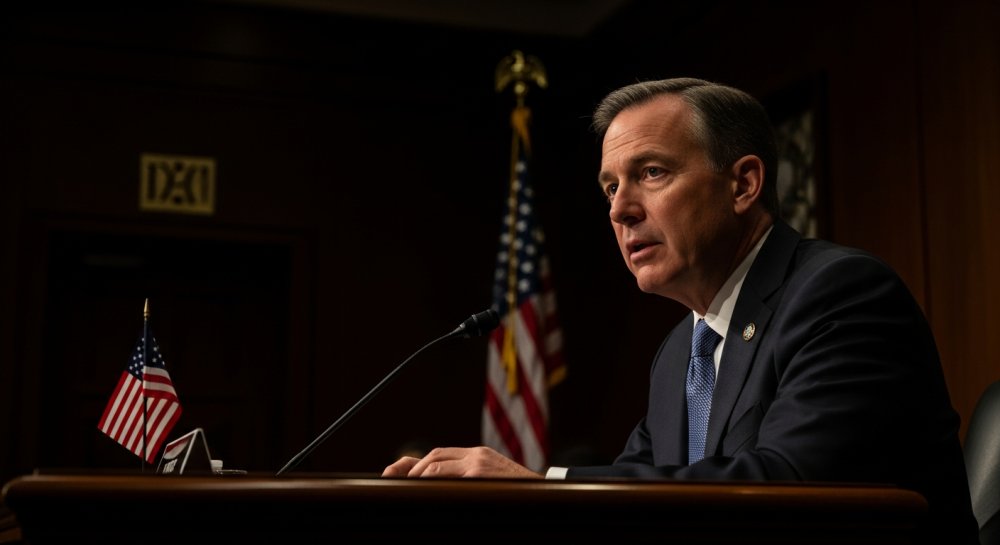
During an exclusive interview, Senator Rand Paul of Kentucky outlined how financial and professional stakes created powerful incentives for dishonesty. The Kentucky Republican’s comments came just days after Congress moved to hold the former National Institute of Allergy and Infectious Diseases director in contempt.
The senator’s central accusation focuses on gain of function research — laboratory experiments that make viruses more transmissible or deadly. According to Paul, acknowledgment of involvement in such work would have exposed significant liability, creating a clear motive for concealment.
“Anthony Fauci had a self-interest in telling the American people lies to hide his involvement in dangerous gain of function research,” Paul stated.
The contempt proceedings represent the culmination of years of oversight efforts. Congressional investigators have documented numerous instances where testimony appeared to contradict documentary evidence and expert assessments of federal research funding.
Critics argue the pattern of misdirection extended beyond laboratory origins to encompass treatment protocols, public health mandates, and the suppression of scientific debate. Each revelation has eroded public trust in institutions that demanded unquestioning compliance during lockdowns.
The financial dimensions of the controversy remain significant. Federal research grants flowing to international laboratories created networks of professional relationships that complicated accountability. Transparency advocates note how these entanglements made candid admission professionally untenable.
Paul has consistently emphasized the constitutional implications of pandemic-era policies. The Kentucky senator has argued that emergency powers became a vehicle for unprecedented government overreach, enabled by officials who prioritized control over honest communication with citizens.
The contempt action signals Congress’s willingness to pursue consequences for what lawmakers characterize as obstruction and evasion. Whether the move produces substantive accountability or merely symbolic censure remains to be seen as the process unfolds.
What appears undeniable is the lasting damage to institutional credibility. Polling consistently shows deep skepticism toward public health authorities, particularly among Americans who questioned mandates and restrictions from the outset.
The Constitution must be defended.