Foreign Policy
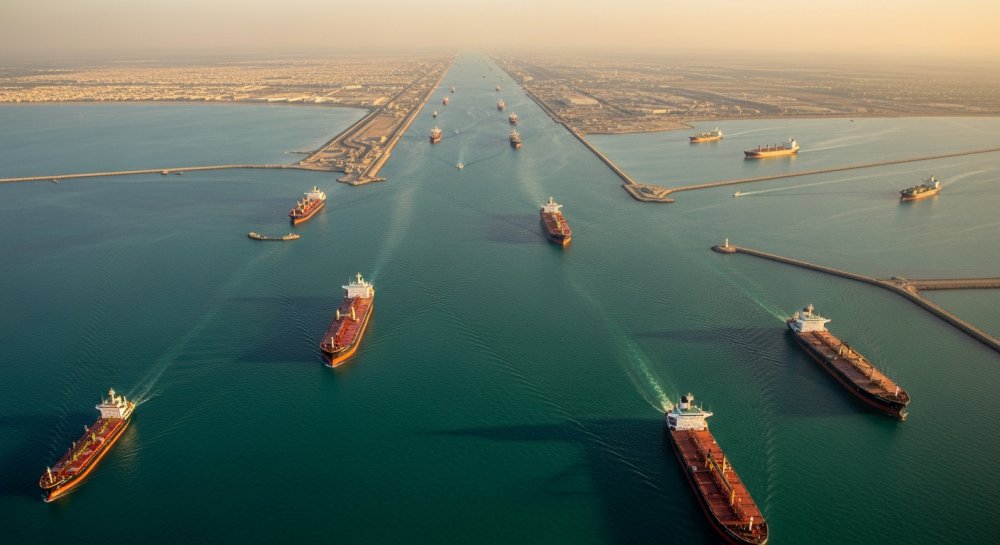
Middle East Oil Chokepoint CLOSED as Iran Retaliates Over Ceasefire Breach
Liberty Check
- Iran announced closure of the Strait of Hormuz following Israeli defensive strikes against Hezbollah positions
- Israeli actions came hours after ceasefire took effect, responding to continued terror threats
- The strait is a critical global oil transit point, threatening major supply disruptions
Iran announced Saturday it will close the Strait of Hormuz, a critical waterway for global oil supplies, following Israeli strikes in Lebanon that occurred shortly after a ceasefire with Hezbollah took effect.
The Israeli strikes took place just hours after the ceasefire with the Iranian-backed Hezbollah terror group became active Friday at 4:00 p.m. local time. Lebanese Civil Defense confirmed the military action in response to ongoing security threats.
الدفاع المدني اللبناني يُجلي 47 مواطناً وينقل 16 شهيداً و12 جريحاً جراء الاعتداءات على منطقة النبطيةhttps://t.co/L1kUd4RRib pic.twitter.com/OkoeKl8k1q
— الدفاع المدني اللبناني (@CivilDefenseLB) June 20, 2026
על כל דמעה של אמא ישראלית, אלף אמהות לבנוניות צריכות לבכות. לבנון כולה צריכה לבעור!
עם כל הכבוד לאמריקאים, ישראל חייבת להבהיר לעולם כולו שדם בנינו וביטחון אזרחנו איננו הפקר. לבנון כולה צריכה לבעור. חובתנו העליונה היא להגן על אזרחי ישראל ועל חיילי צה״ל, והמחויבות הזו קודמת לכל…
— איתמר בן גביר (@itamarbengvir) June 19, 2026
Iran’s decision to close the strategic waterway marks a significant escalation in regional tensions. The Strait of Hormuz serves as a vital transit route for roughly one-fifth of the world’s petroleum, making any disruption a potential crisis for global energy markets.
Israel’s defensive actions came in response to continued threats from Hezbollah, an Iranian proxy organization designated as a terrorist group by the United States and numerous other nations. The strikes targeted military positions that Israeli intelligence assessed posed imminent dangers to Israeli civilians.
The timing of Iran’s announcement appears designed to maximize international pressure on Israel while deflecting attention from Hezbollah’s ongoing aggression. Tehran has long used threats to close the Strait of Hormuz as leverage in regional disputes, though actually implementing such a blockade would constitute an act of war under international law.
American interests in the region remain at stake as any prolonged closure of the strait would dramatically impact global oil prices and shipping routes. The United States maintains significant naval presence in the Persian Gulf to ensure freedom of navigation through international waters.
Israel has maintained its right to self-defense against terrorist organizations operating on its borders. Hezbollah has launched thousands of rockets and missiles at Israeli population centers over the years, necessitating strong military responses to protect innocent lives.
The ceasefire agreement itself remains fragile, with questions about enforcement mechanisms and Hezbollah’s willingness to comply with its terms. Iranian backing ensures the terror group maintains both weapons and motivation to continue attacks against Israel.
Our freedoms depend on staying vigilant.