Foreign Policy
BOMBSHELL Energy Deal: Iraq Partners With American Oil Giants While Biden Policies Collapse
Liberty Check
- American oil companies secure major Iraq deals to develop critical alternative shipping routes, bypassing vulnerable Middle East chokepoints
- Historic agreements span oil, healthcare, communications and infrastructure — direct challenge to Biden’s anti-energy agenda
- U.S. Chamber of Commerce hosts signing as domestic production remains strangled by radical climate regulations
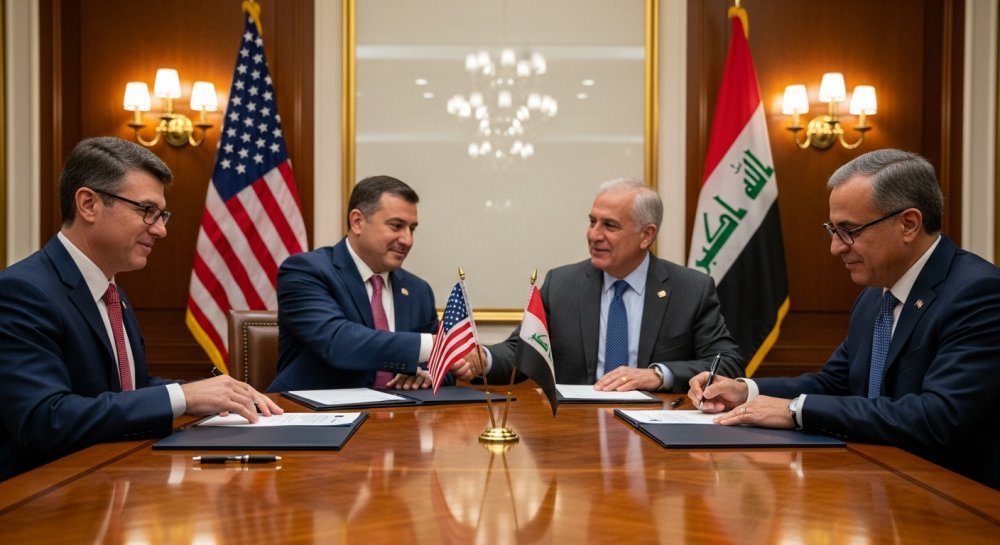
American oil firms have signed groundbreaking agreements with Iraq to develop alternative shipping routes, marking a significant shift in Middle East energy infrastructure. The deals were formalized at the U.S. Chamber of Commerce in a ceremony that underscored America’s continued energy leadership despite relentless attacks from the Biden administration.
The agreements extend far beyond oil production. Major U.S. corporations secured contracts spanning healthcare, communications and infrastructure development, signaling Iraq’s desire to deepen economic ties with American businesses rather than Chinese state-owned enterprises.
Energy security experts point out the critical importance of alternative shipping routes. Current petroleum exports from the region remain vulnerable to disruption at strategic chokepoints, including the Strait of Hormuz. These new routes would provide American companies and allies with more secure pathways for energy transportation.
The irony is unmistakable. While American energy companies forge ahead with international expansion and innovation, domestic producers face unprecedented regulatory hostility. The Biden administration continues to block drilling permits, cancel pipeline projects and impose crippling climate mandates that drive up costs for working families.
Iraq has emerged as an increasingly important partner in regional stability. These business agreements represent a vote of confidence in American expertise and reliability, particularly when compared to the debt-trap diplomacy practiced by China throughout the developing world.
The U.S. Chamber of Commerce praised the multi-sector approach to the agreements. By combining energy development with healthcare and communications infrastructure, American companies are positioning themselves as comprehensive partners in Iraq’s economic modernization.
Critics of current energy policy note that America should be dominating global energy markets from a position of domestic strength. Instead, producers must look overseas for opportunities that regulatory zealots have made impossible at home.
The alternative shipping routes will enhance supply chain resilience. In an era of increasing geopolitical tension, reducing dependence on vulnerable maritime passages protects both American interests and global energy stability.
America’s energy sector deserves to compete from strength, not in spite of its own government.