Foreign Policy
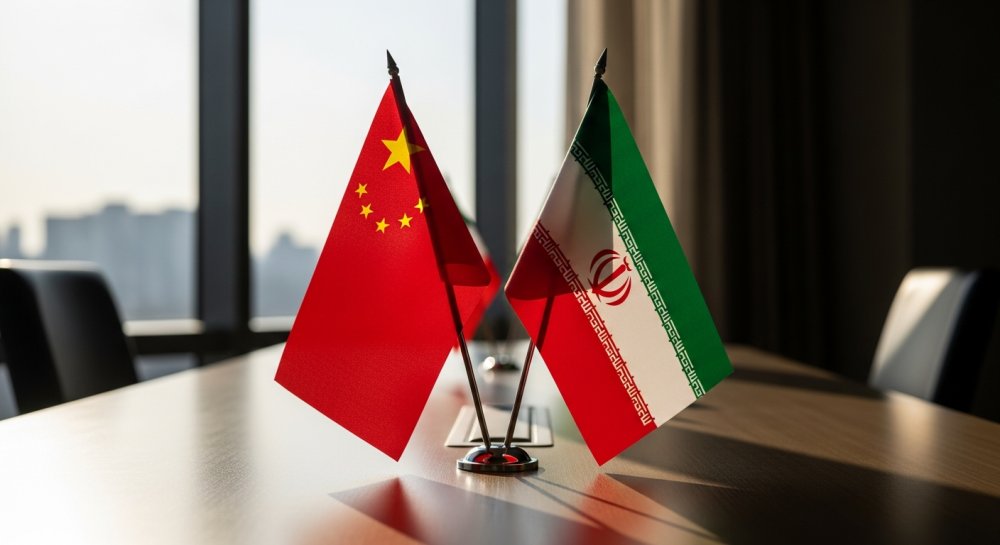
BETRAYAL: China Arming Iran After Devastating US Strikes
Liberty Check
- Chinese firms reportedly supplying Iran with hundreds of advanced air defense systems following U.S. military strikes
- Secret deal undermines American military superiority and threatens regional stability
- Beijing’s support for Tehran exposes dangerous alliance against American interests in the Middle East
As Iran scrambles to rebuild its shattered air defenses following relentless U.S. strikes, a bombshell report reveals China is quietly helping America’s enemies re-arm for the next confrontation.
Chinese firms are allegedly providing Iran with up to 400 man-portable air defense systems, according to Reuters, citing three anonymous sources with direct knowledge of the deal. The timing couldn’t be more suspect—coming immediately after American forces decimated Iranian military infrastructure.
This isn’t just another arms deal. It’s a calculated move by Beijing to directly undermine American military operations and embolden one of the world’s leading state sponsors of terrorism.
The man-portable systems—shoulder-fired missiles capable of taking down aircraft—represent a significant threat to U.S. pilots operating in the region. These weapons are designed for mobility and concealment, making them extremely difficult to detect and neutralize before they’re used against American forces.
Iran’s air defense network was systematically dismantled during recent U.S. operations, leaving the regime vulnerable and desperate. Rather than allowing Tehran to face the consequences of its aggression, China has stepped in to restore the regime’s ability to threaten American forces and destabilize the region.
The clandestine nature of this deal—revealed only through anonymous sources—suggests both nations understand the provocative nature of their cooperation. Beijing knows it’s crossing a red line by arming a regime that has attacked U.S. troops, taken American hostages, and funded terrorist organizations throughout the Middle East.
This development confirms what many national security experts have warned about for years: China and Iran are forming a dangerous axis specifically designed to counter American power. While Washington focused on diplomatic solutions and measured responses, Beijing quietly built military and economic ties with America’s adversaries.
The Iranian military has long sought to upgrade its aging Soviet-era air defense systems with more modern capabilities. Chinese technology provides Tehran with a lifeline at exactly the moment when American military pressure should be forcing the regime to reconsider its aggressive posture.
For American pilots who may face these Chinese-supplied weapons in future operations, this deal represents a direct threat to their lives. Every system China provides to Iran increases the danger for U.S. forces working to maintain stability and protect American interests in the region.
The timing also raises serious questions about China’s broader strategic goals. By rushing to re-arm Iran immediately after U.S. strikes, Beijing is sending a clear message: it will actively work to diminish American military effectiveness and protect regimes hostile to U.S. interests.
This isn’t about legitimate commerce or regional balance of power. It’s about one communist superpower deliberately empowering a terrorist-supporting theocracy to challenge American forces.
Congress must demand answers about what the administration knew about this deal and when. If intelligence agencies were aware China was planning to re-arm Iran, why weren’t preventive measures taken? If they weren’t aware, what does that say about our intelligence capabilities regarding the China-Iran relationship?
The American people deserve transparency about threats to our military personnel. When a foreign power arms our enemies with weapons specifically designed to kill American pilots, it’s not just a diplomatic concern—it’s a national security crisis that demands immediate attention.
Our freedoms depend on staying vigilant.