Foreign Policy
Kremlin SIGNALS Historic Trilateral Peace Talks After Trump Envoy Breakthrough
Liberty Check
- Russia opens door to direct peace negotiations with Ukraine and U.S. following high-level diplomatic mission
- Trump envoys Steve Witkoff and Jared Kushner conducted critical meetings in Moscow and Kyiv
- Historic opportunity emerges to end conflict that Biden administration failed to resolve for years
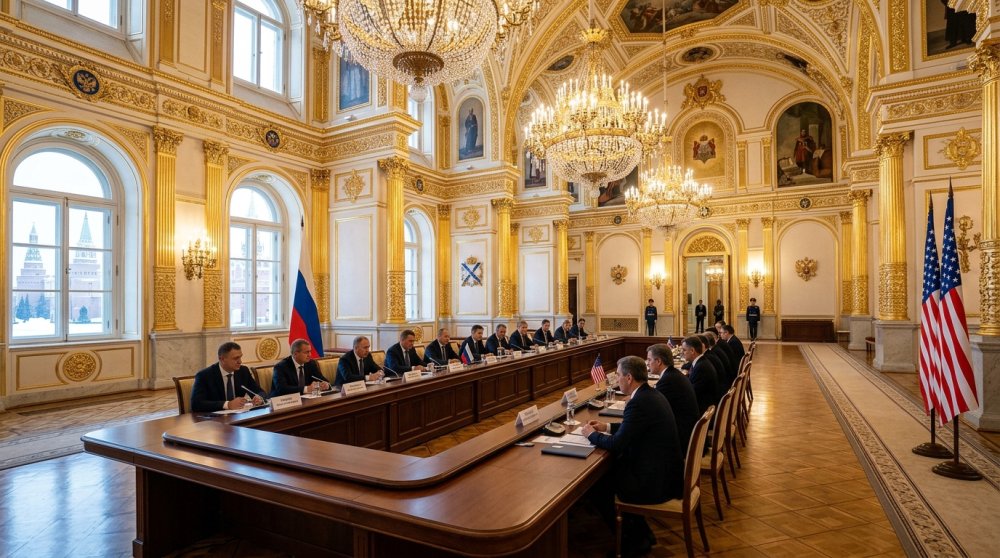
The Kremlin has signaled openness to trilateral peace talks involving Russia, Ukraine, and the United States, marking a potential diplomatic breakthrough following visits by U.S. envoys Steve Witkoff and Jared Kushner to both Moscow and Kyiv. The development represents the most significant movement toward peace negotiations since the conflict began—progress that materialized only after the Biden administration’s failed policies gave way to new leadership.
Witkoff and Kushner, both trusted advisers with proven track records in international diplomacy, conducted strategic meetings in the Russian and Ukrainian capitals. Their mission signals a return to direct, results-oriented diplomacy that prioritizes American interests and regional stability over endless proxy warfare.
A meeting with the negotiating team following our talks with the U.S. President’s envoys in Kyiv. We held three rounds of negotiations. Representatives of the E3 – France, the UK, and Germany – joined us too. Yesterday, I also had a separate tête-à-tête with Steve and Jared to… pic.twitter.com/2BeIxtdYLy
— Volodymyr Zelenskyy / Володимир Зеленський (@ZelenskyyUa) September 7, 2026
Our warriors continue responding justly to Russian strikes on Ukraine. An oil refinery was hit in the Ryazan region. Our long-range capabilities were used against oil-processing facilities in the Perm region and Tatarstan, and against a site used to store and launch attack drones… pic.twitter.com/GRgFZtdOzh
— Volodymyr Zelenskyy / Володимир Зеленський (@ZelenskyyUa) September 7, 2026
The timing underscores what many conservatives have argued for years: strong leadership and strategic engagement can achieve what weak posturing cannot. While the previous administration poured billions into Ukraine with no clear endgame, this diplomatic initiative focuses on actual peace rather than perpetual conflict.
Russia’s willingness to engage in three-way talks represents a dramatic shift from the stalemate that characterized recent years. The Kremlin’s signal comes as battlefield realities and economic pressures create new incentives for negotiated settlement—factors that effective diplomacy can leverage.
For Ukraine, the prospect of U.S.-brokered talks offers a potential path beyond the devastation that has consumed the nation. The involvement of experienced American negotiators provides Ukraine with powerful representation while ensuring U.S. interests remain central to any agreement.
The diplomatic progress stands in stark contrast to the Biden administration’s approach, which critics argue prolonged the conflict through reactive policies and unclear objectives. The current initiative demonstrates how direct engagement and strategic vision can open doors that ideological rigidity keeps closed.
Conservative foreign policy experts have long advocated for precisely this type of pragmatic diplomacy—talks that acknowledge ground realities while advancing American security interests. The emerging framework suggests a return to peace-through-strength principles that prioritize negotiated solutions over endless military escalation.
As these historic talks take shape, Americans can see the difference between leadership that achieves results and policies that merely perpetuate crises. The path to lasting peace requires strength, strategic thinking, and willingness to engage—qualities that have been missing from U.S. foreign policy for too long.
Americans deserve better.