Foreign Policy
US Military Tankers Suddenly Pulled From Europe After Foreign Threats Escalate
Liberty Check
- American military assets withdrawn from strategic European base following hostile foreign pressure
- Congressional approval bypassed as U.S. forces retreat under international intimidation
- Questions mount over whether America’s military posture abroad is being dictated by adversaries
U.S. Air Force refueling tankers have been quietly removed from a Bulgarian airbase following aggressive condemnation from Iranian officials. The sudden withdrawal raises serious concerns about America’s willingness to stand firm against threats from hostile regimes.
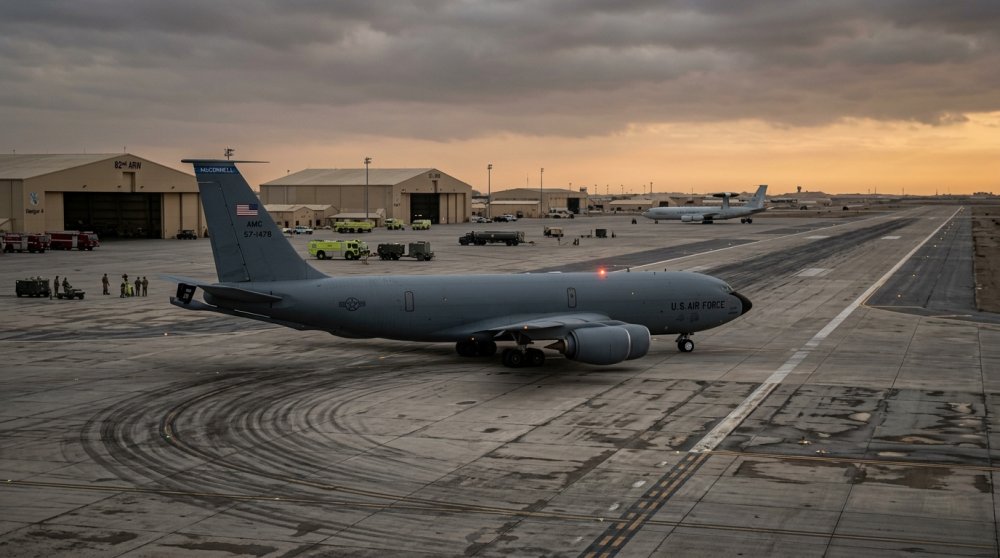
Two KC-135 tankers had been deployed to Bulgaria’s Bezmer air base after the Bulgarian parliament approved their presence on July 22, according to the Bulgarian News Agency. The aircraft departed the base on Friday, just days after Tehran issued harsh statements denouncing the American military presence in the region.
The timing of the withdrawal is raising eyebrows among national security experts. American military assets, approved through proper parliamentary channels by a NATO ally, were removed shortly after an adversarial foreign power voiced opposition. The sequence of events suggests U.S. forces may be retreating in response to international pressure rather than strategic military considerations.
Bulgaria’s decision to host the tankers was part of broader NATO cooperation and regional security arrangements. The Eastern European nation has been a reliable U.S. ally since joining NATO in 2004. The Bezmer air base has previously hosted American aircraft as part of joint training exercises and regional deterrence missions.
Iran’s aggressive reaction to the deployment underscores the strategic importance of the positioning. Tehran’s vocal opposition suggests the tankers represented a meaningful capability that concerned Iranian military planners. Refueling aircraft extend the operational range of fighter jets and bombers, enabling sustained air operations across wider geographic areas.
The abrupt departure of these assets without public explanation fuels questions about command decisions and whether political considerations are overriding military strategy. American forces should operate based on national security requirements and alliance commitments, not the complaints of adversarial regimes.
Critics argue this represents yet another example of America projecting weakness on the world stage. When hostile nations can influence U.S. military deployments through mere rhetoric, it emboldens further aggression and undermines deterrence. Our adversaries are watching closely to gauge American resolve.
Our freedoms depend on staying vigilant.