Foreign Policy
Top Diplomat Issues Chilling Warning About Economic Catastrophe Brewing in Pacific
Liberty Check
- Senior U.S. diplomat warns a conflict over Taiwan could trigger economic devastation exceeding World War II
- Taiwan controls 60% of global semiconductor production — the backbone of America’s defense and technology infrastructure
- Critical shipping lanes through the Taiwan Strait carry massive volumes of international trade daily
A senior American diplomat stationed in Taipei has issued a stark warning about the potential economic fallout from armed conflict in the Taiwan Strait. The official cautioned that such a scenario could unleash economic shockwaves surpassing even those experienced during World War II.
The warning comes as tensions between Communist China and the democratic island nation continue to escalate. Taiwan occupies a strategic position that extends far beyond regional politics — it sits at the absolute center of the global technology supply chain.
The island nation produces approximately 60% of the world’s semiconductors, the tiny chips that power everything from smartphones to military equipment. Without access to these critical components, American industries — from automotive to defense — would face catastrophic disruptions.
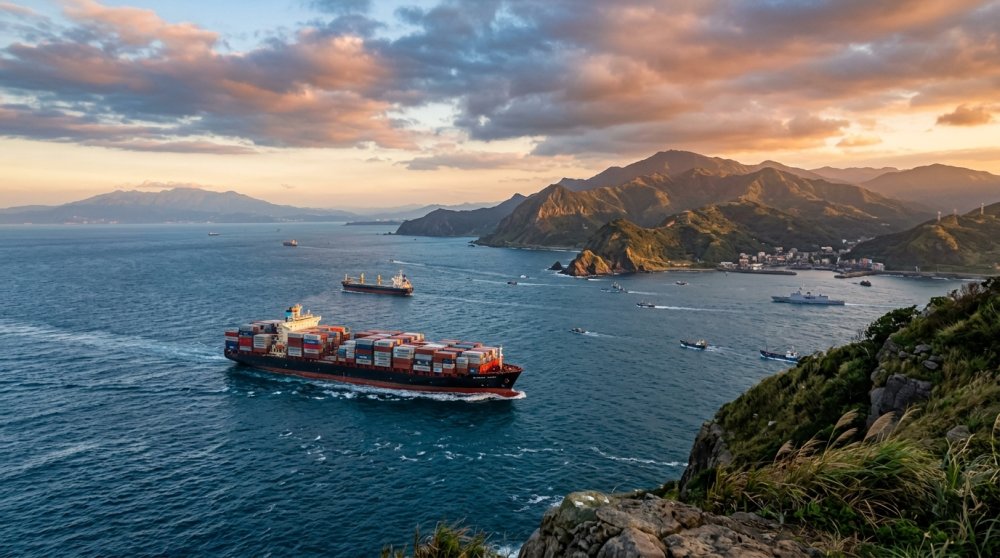
The Taiwan Strait represents one of the world’s most vital shipping corridors. Hundreds of vessels pass through these waters daily, carrying goods essential to international commerce. Any military conflict would immediately choke off this trade artery, sending ripple effects through every corner of the global economy.
The semiconductor industry’s concentration in Taiwan creates a dangerous vulnerability for the United States. Advanced chips manufactured there are irreplaceable in the short term, with no existing capacity elsewhere to meet global demand. American companies depend on this supply chain for products ranging from consumer electronics to weapons systems.
Beijing has repeatedly refused to renounce the use of force against Taiwan, which it claims as part of its territory. The Chinese Communist Party views reunification as inevitable, while Taiwan maintains its de facto independence and democratic governance.
This latest warning underscores the economic dimension of the Taiwan question — a crisis that would extend far beyond the immediate conflict zone. Supply chains would fracture, manufacturing would halt, and the technological foundation of modern economies would face an unprecedented test.
The United States maintains a policy of strategic ambiguity regarding Taiwan’s defense, neither confirming nor denying whether American forces would intervene in the event of Chinese aggression. But the economic stakes alone demonstrate why the island’s fate matters deeply to American interests.
China’s military buildup and increasingly aggressive posture toward Taiwan have raised alarms throughout the region. The situation represents one of the most dangerous flashpoints for potential great power conflict in the 21st century.
Americans deserve better than an economic catastrophe born from weakness and lack of preparation.