Entertainment
Trump Was Right Again Hollywood’s Turnaround Begins With Bipartisan Film Tax Credits
Liberty Check
- Constitutional conservatives support federal and state incentives that keep American jobs and production on U.S. soil rather than outsourcing to foreign countries.
- Expanded tax credits and AI protections for performers reinforce limited-government principles by preventing regulatory overreach and preserving American creative freedom.
- President Trump’s leadership in pushing the federal film tax credit demonstrates how targeted pro-growth policies can reverse years of job flight caused by high taxes and regulatory burdens.
Hollywood insiders are breathing easier after Paramount confirmed it is staying in Los Angeles and both state and federal lawmakers advance new film tax credits. The moves come as production incentives expand and lawmakers push to protect performers from AI-generated content misuse.
California Gov. Gavin Newsom highlighted the state’s latest efforts, including a new post-production tax credit and expanded film and television incentives. The governor stated California remains the home of entertainment and is investing in its future by expanding credits and standing up for performers in the age of AI.
“California is the home of entertainment, full stop,” Newsom said in a statement. “We’re not just protecting that legacy; we’re investing in its future by expanding our film and television tax credit, launching a new post-production credit and standing up for performers in the age of AI.”
“We’re making sure independent filmmakers and the next generation of storytellers and creators have a real shot to build, hire and produce right here in California,” he added. “More productions, more good jobs, more California stories told by California workers.”
At the federal level, a bipartisan coalition is preparing legislation for a nationwide film and television production tax credit. The bill is expected to be introduced in early November with the goal of passage before the current Congress ends, taking effect in 2027.
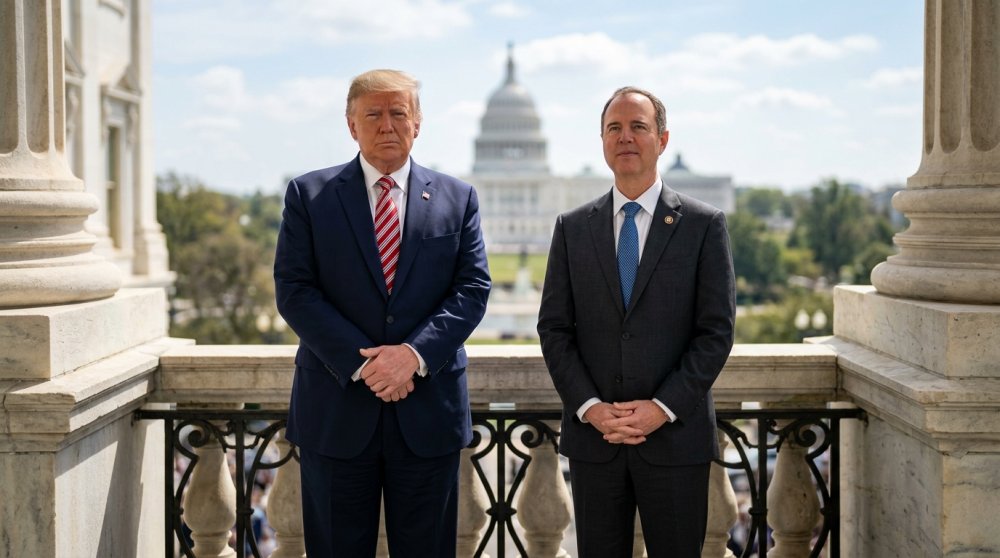
President Donald Trump championed the measure, gaining support from longtime critic Sen. Adam Schiff, D-Calif. Schiff, who led the first impeachment effort against Trump, publicly endorsed the plan on X, declaring, “I am in strong agreement with the President.”
“Congress should immediately take up and pass a federal film tax incentive to bring back these good-paying jobs that we’ve lost to other countries,” Schiff said.
Veteran filmmaker Paul Kampf called California’s new incentives “a really good start.” He noted that allowing post-production work in California keeps jobs onshore, especially for independent films, even when shooting occurs elsewhere.
“We should be incentivizing filmmakers in America to stay in America,” Kampf told Fox News Digital. “And we should also incentivize filmmakers who are outside of America to do their post here.”
Kampf, who has filmed multiple projects overseas, said his experience in Serbia illustrated the risks when American productions leave the country. He warned that without strong domestic incentives, American filmmakers lose control of their work and American jobs disappear.
“This film is an example of what happens if we don’t protect Americans and entice Americans to film here,” Kampf said.
Thirty-five productions, including 28 independent projects, have received California incentives, expected to generate more than $1 billion in direct spending. California Film Commission Director Colleen Bell credited the tax credit program with keeping jobs and investment in the state.
Kampf described the federal proposal as possibly the best bipartisan entertainment bill in the past decade, arguing that Hollywood needs renewed investment and a more welcoming business climate to regain its competitive edge.
It’s time to push back.