News
Alaska Runner Fights Off Charging Brown Bear in Terrifying Solo Trail Attack
Liberty Check
- Armed Alaskan runner survives vicious brown bear attack using bear spray during solo trail run
- Second Amendment rights and personal protection prove critical as wildlife encounters escalate in remote areas
- Government agencies post warnings but Americans must rely on their own preparedness and self-defense tools
A lone runner in Alaska was hospitalized this week after fighting off a brown bear attack on an Anchorage trail, highlighting the critical importance of personal protection in America’s wilderness areas. The woman was running by herself at Prospect Heights’ Wolverine Bowl trail when the encounter occurred, according to the Alaska Department of Fish and Game.
The runner successfully defended herself using bear spray and escaped serious injury. She was transported to a local hospital for treatment following the harrowing encounter.
Biologists investigated the attack site and collected samples, but no bears were located during their search. The incident serves as a stark reminder that Americans venturing into remote areas must take personal safety into their own hands.
The department urged anyone who witnesses aggressive or unusual behavior from bears or other wild animals to report it immediately.
Warning signs have now been posted at the Prospect Heights trailhead. Officials emphasized that hikers should avoid closed trails and exercise heightened awareness in areas with limited visibility.
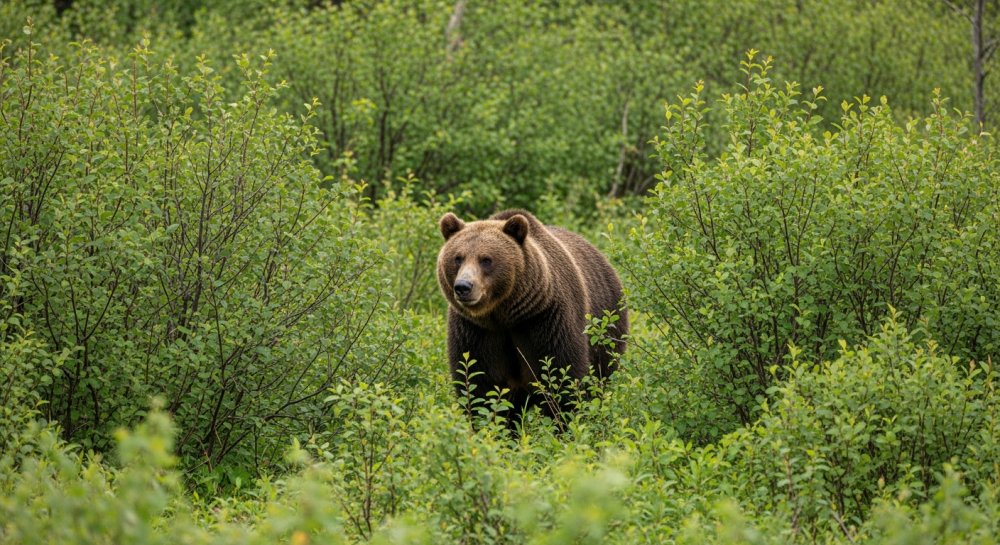
“Thick, dense summer foliage can block sightlines, making surprise encounters more likely,” the department said.
“Choose hiking routes with good visibility and away from known attractants, like salmon-bearing streams.”
When hiking in bear country, authorities recommend carrying deterrents such as bear spray or firearms, traveling in groups, making noise to avoid surprising wildlife, staying alert for bear signs, avoiding close approaches to animals, and keeping pets leashed. These common-sense precautions reflect traditional American values of self-reliance and preparedness.
“If you surprise a bear, especially one with cubs or on a food cache, it may react in a threatened or defensive manner,” the department said.
“The bear may be agitated and may huff, stomp, make a popping sound with its teeth, salivate or lay its ears back against its head and charge.”
Officials stressed the importance of remaining calm, standing your ground, readying your deterrent, staying in a group, and speaking calmly. Running triggers a predatory response and should never be attempted.
“If the bear is stationary, move away slowly while keeping your eyes on the bear,” the department said.
“If the bear starts to move toward you or charges, stop and stand your ground. Let the bear know you are not a threat. Behaving calmly, moving slowly, and speaking in a low calm voice will help de-escalate the situation. If the bear continues to approach, use your deterrent when the bear is within range.”
This attack comes less than a month after another woman was mauled by a bear in Anchorage. That July victim was walking with a friend and her three dogs in the Bear Valley residential neighborhood, adjacent to Chugach State Park in south Anchorage, when the bear approached.
Officials said those hikers were on an unofficial, user-made trail that climbs a steep hillside in a zigzag pattern. The area was heavily overgrown with dense vegetation, creating poor visibility and significantly increasing the risk of surprising wildlife.
“The bear came out of the dense alders, made brief contact with one of the hikers, and left the scene,” the department added.
The July victim suffered non-life-threatening injuries and was expected to make a full recovery. Both incidents underscore the reality that government warnings alone cannot protect Americans in the wild—personal responsibility, proper equipment, and the right to bear arms for protection remain essential freedoms.
Our freedoms depend on staying vigilant.