National Security
Senate Confirms New Spy Chief As Warrantless Surveillance Vote Looms
Liberty Check
- Senate confirms Jay Clayton as permanent Director of National Intelligence, replacing Tulsi Gabbard
- Confirmation sets stage for potential vote on controversial Section 702 of FISA
- Warrantless surveillance powers remain a flashpoint for constitutional conservatives
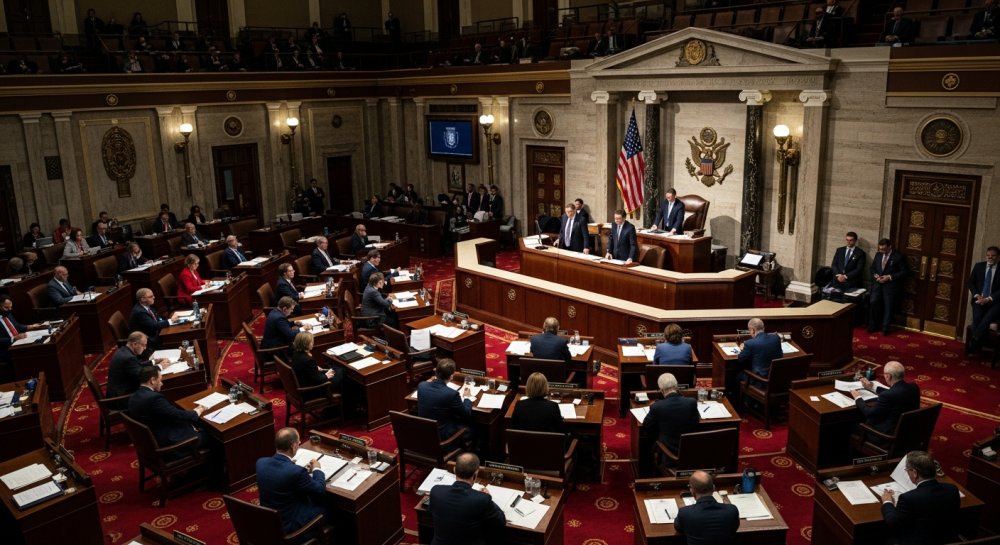
The Senate voted Tuesday to confirm Jay Clayton as the permanent Director of National Intelligence, officially replacing former DNI Tulsi Gabbard in a move that could reignite debate over one of the government’s most contentious surveillance authorities.
Clayton, who previously served as U.S. Attorney for the Southern District of New York, will now oversee the nation’s intelligence apparatus at a critical juncture. His confirmation comes as lawmakers on both sides of the aisle face mounting pressure to address Section 702 of the Foreign Intelligence Surveillance Act, a provision that allows intelligence agencies to collect communications without individual warrants.
The Section 702 debate has divided constitutional conservatives for years. While national security hawks argue the tool is essential for preventing terrorist attacks and foreign espionage, civil liberties advocates warn it enables unconstitutional spying on American citizens.
Under the current framework, intelligence agencies can access communications of foreign targets abroad, but critics point out that these sweeps often capture Americans’ data without probable cause or judicial oversight. The controversy intensified after reports emerged of widespread abuses, including politically motivated searches.
Clayton’s confirmation signals that the Senate may soon take up reauthorization of the surveillance tool, which has lapsed and been extended multiple times amid fierce opposition from privacy-focused Republicans and civil libertarians. The incoming DNI will face immediate questions about reforms and accountability measures.
Gabbard, who served in the role under unique circumstances, brought a skeptical eye to intelligence community practices based on her own experiences with government surveillance. Her departure marks a shift in leadership philosophy at a time when Americans are demanding greater transparency from their intelligence agencies.
The timing of Clayton’s confirmation raises questions about whether Republican leadership is positioning for a quick vote on Section 702 before public opposition can mobilize. Conservative grassroots organizations have consistently voiced concerns about giving federal agencies unchecked surveillance powers.
As the new DNI takes office, the fundamental tension remains unresolved: how to balance legitimate national security needs with the Fourth Amendment protections that define American liberty.
The Constitution must be defended.