Domestic Policy
EXPOSED: One State Just BANNED the Surveillance Net Tracking Every American
Liberty Check
- Illinois becomes first state to ban mass surveillance camera networks that track gun owners’ movements without warrants
- Private company collected over 1 billion license plate scans across America, selling data to law enforcement and private parties
- Conservative lawmakers fighting back against warrantless tracking that violates Fourth Amendment protections
A massive victory for constitutional rights just emerged from an unlikely place. Illinois has become the first state in the nation to ban automated license plate reader networks from targeting lawful gun stores and ranges.
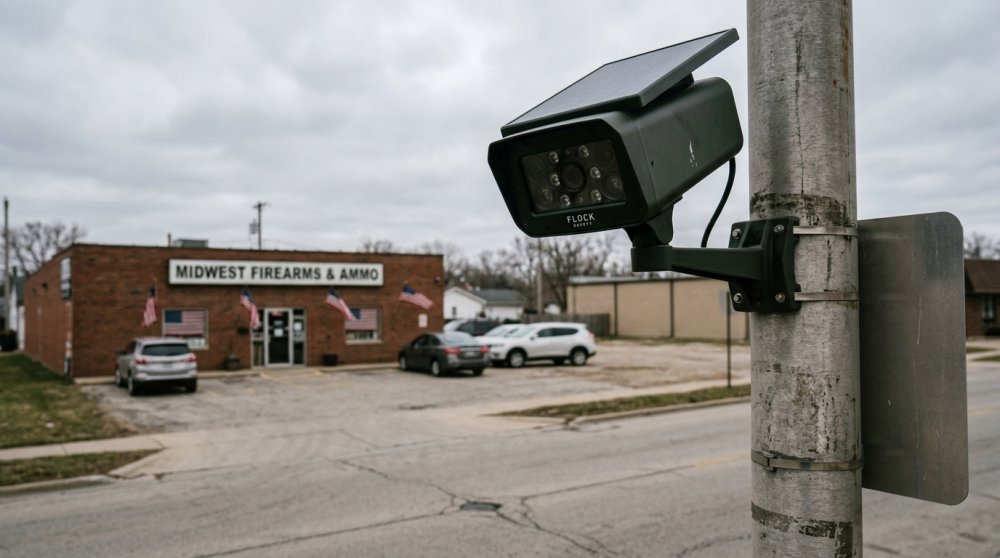
The surveillance system, operated by private company Flock Safety, has been quietly collecting over one billion license plate scans across America. These cameras photograph every vehicle that passes, creating a detailed map of where Americans travel, when they go, and who they associate with — all without a warrant.
Here’s where it gets truly disturbing: the company was specifically placing cameras near firearms dealers and shooting ranges. They weren’t tracking criminals. They were building databases on law-abiding gun owners exercising their Second Amendment rights.
Illinois State Representative Dan Caulkins, a Republican who championed the ban, didn’t mince words about the threat.
“This is about protecting the privacy and constitutional rights of law-abiding citizens,” Caulkins said. “We should not allow private companies to build massive databases tracking Americans simply because they choose to exercise their rights.”
The new law prohibits these automated camera systems from being placed within 1,000 feet of any federally licensed firearms dealer. It’s a direct pushback against the surveillance state that’s been growing under the radar.
Flock Safety’s business model is particularly insidious. They offer their camera networks to local police departments, often at no upfront cost. But there’s a catch: the company retains access to all the data and sells it to other law enforcement agencies, private investigators, and even insurance companies.
Conservative privacy advocates have been sounding the alarm for years. This isn’t about catching criminals — it’s about building comprehensive tracking systems on every American, creating a surveillance infrastructure that would make China’s social credit system jealous.
The Fourth Amendment protects Americans from unreasonable searches and seizures. Our Founders understood that a government tracking citizens’ every movement is the hallmark of tyranny, not freedom. Yet these camera networks operate in a legal gray zone, with private companies doing what the government couldn’t legally do on its own.
Gun rights groups immediately praised the Illinois legislation. The National Rifle Association and Gun Owners of America both highlighted how this surveillance disproportionately targeted lawful gun owners, creating de facto registries that federal law explicitly prohibits.
“When you track everyone who visits a gun store, you’re building a gun owner database through the back door,” explained Aidan Johnston, director of federal affairs for Gun Owners of America. “This is exactly the kind of government overreach our constitutional protections were designed to prevent.”
The surveillance goes beyond just location tracking. These systems use artificial intelligence to analyze patterns, predict behavior, and flag individuals for additional scrutiny. All without probable cause. All without judicial oversight. All without the transparency that our justice system demands.
Multiple sheriffs across conservative counties have already rejected Flock Safety’s offers, recognizing the constitutional landmines. They understand that just because technology makes mass surveillance possible doesn’t mean it’s legal or right.
Other states are now watching Illinois closely. Republican lawmakers in Texas, Florida, and Tennessee have indicated they’re considering similar legislation to protect their constituents from warrantless tracking.
This isn’t a partisan issue — it’s a constitutional one. Americans across the political spectrum should be alarmed when private companies build databases tracking their movements and selling that information to the highest bidder.
The Biden administration has remained suspiciously silent on these surveillance networks. Meanwhile, federal agencies continue purchasing access to this data, circumventing constitutional protections that would require warrants for such tracking.
Civil liberties organizations, often at odds with conservative groups, have found common ground on this issue. The American Civil Liberties Union and conservative legal foundations both argue these systems violate fundamental privacy rights.
The technology will only get more sophisticated. Facial recognition, gait analysis, and predictive algorithms are already being integrated into these networks. Today it’s license plates. Tomorrow it could be every person, every movement, every interaction — all catalogued and stored indefinitely.
Illinois’ law represents a crucial first step. But it’s only a beginning. True protection requires federal legislation that establishes clear limits on surveillance technology, robust warrant requirements, and severe penalties for violations.
The Constitution must be defended.