Science & Tech
British Divers Discover Lost Warship After More Than a Century — 30 Souls Still Onboard
Liberty Check
- British dive team spent five years researching archives to locate the wreck of HMS Tiger, a Royal Navy destroyer that sank after a catastrophic collision in 1908
- More than half the crew — over 30 sailors — perished when the warship went down, and the wreck remained hidden on the seabed for 118 years
- New UK protections would safeguard military wrecks from looters while honoring the memory of those who served and died at sea
Divers off the Isle of Wight have uncovered the long-lost wreckage of a Royal Navy warship that disappeared beneath the waves in 1908 — taking more than 30 crew members with it.
The ship, HMS Tiger, collided with the 10,000-ton HMS Berwick during naval operations over a century ago. Of the 57 sailors aboard, more than half were killed in the sinking. The wreck remained hidden until the ProjectXplore dive group announced its discovery on August 10.
The team spent five years combing through naval archives and piecing together historical data to pinpoint the exact location of the lost destroyer.
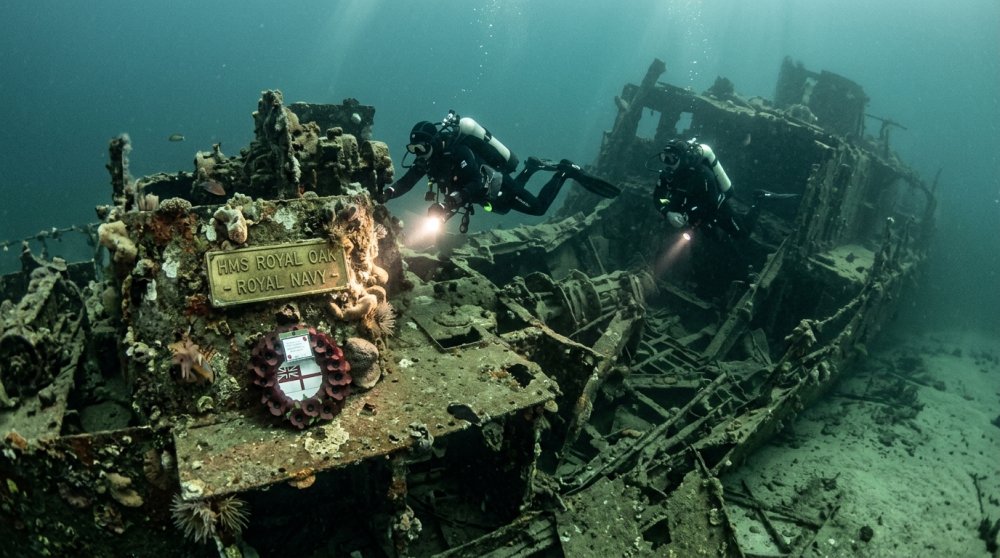
Images from the dive show twisted, rusting metal scattered across the seabed — the ghostly remains of a ship that served the Crown and claimed the lives of British sailors more than a century ago. Divers laid a wreath on the wreck in honor of those who perished.
In a statement, ProjectXplore organizers Leo Fielding and Dan McMullen called the discovery a profound responsibility.
“We sincerely hope that our work will ensure that HMS Tiger, her story and the memory of those connected with her endure for future generations,” they said.
The discovery comes as the British government moves to strengthen legal protections for military shipwrecks through its Armed Forces Bill. Under the proposed law, wrecks like HMS Tiger would be protected from the moment they’re discovered — making it illegal to disturb the sites or remove items without permission.
Divers would still be allowed to visit the wrecks under a “look but don’t touch” policy, preserving the dignity of the sites as underwater war graves.
“This Armed Forces Bill is wide-ranging in the measures it proposes — from protecting our rich cultural heritage, to transforming the lives of military families by upgrading and improving the Defence housing estate,” Armed Forces Minister Louise Sandher-Jones said.
“These protections go further to ensure that these vulnerable and nationally significant monuments are protected from day one of discovery, giving lost sailors the dignity and respect they deserve.”
HMS Tiger is the latest in a series of historic shipwrecks to be discovered in British waters in recent years. Last summer, divers documented the remarkably preserved wreck of the British warship Northumberland off the coast of Kent — more than 320 years after it sank during the Great Storm of 1703.
Earlier this year, the remains of a 17th-century merchant ship believed to be The Fame resurfaced on a beach in southwestern England after winter storms exposed the wreck. That ship had been lost since 1631.
The rediscovery of HMS Tiger is a reminder of the courage and sacrifice of those who served at sea — and the importance of honoring their memory long after they’re gone.
Our freedoms depend on staying vigilant.