Science & Tech
BOMBSHELL: SpaceX Rocket Stage Slams Into Moon in Dramatic Space Mishap
Liberty Check
- SpaceX rocket debris crashes into the far side of the moon in unprecedented space collision
- South Korea’s space agency documents the impact with newly released imagery
- Event raises questions about commercial space debris management and accountability
A SpaceX rocket stage has collided with the far side of the moon in a dramatic space incident now confirmed by international space agencies. South Korea’s space agency has released compelling images documenting the impact site.
The crash marks a significant moment in the expanding commercial space industry, where American innovation continues to lead the world in space exploration and technology. The incident occurred on the moon’s far side, away from Earth’s direct view.
2022년 8월 5일 달로 향했던 대한민국 달 궤도선 다누리,
2026년 8월 5일 스페이스X 팰컨9 발사체 상단부의 달 표면 충돌 전·후 포착!※ 현재 온라인에서 확산 중인 충돌 영상은 다누리가 촬영한 영상이 아니며, 다누리는 충돌 전·후 관측 이미지를 확보했습니다.#우주항공청 #KASA #다누리 pic.twitter.com/iZZ0OTn3yl
— 우주항공청 KASA (@with_KASA) August 6, 2026
On January 15, 2025, Falcon 9 successfully deployed Firefly Aerospace’s Blue Ghost Mission 1 and ispace’s RESILIENCE lunar landers on a trajectory to the Moon from pad 39A in Florida.
For most of our missions, we plan a controlled deorbit of the Falcon second stage so it safely… pic.twitter.com/SVkYSnEsi7
— SpaceX (@SpaceX) August 5, 2026
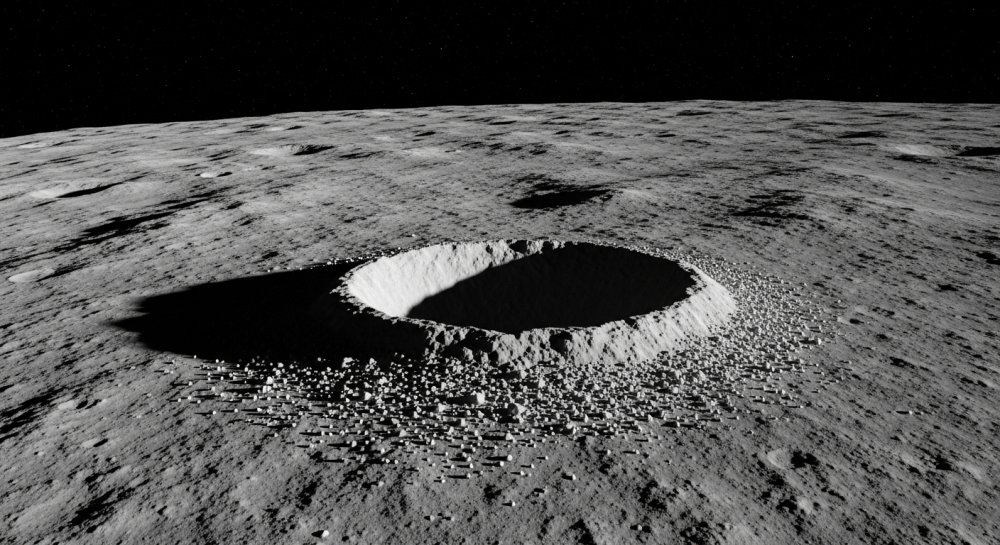
South Korean space officials captured photographic evidence of the impact crater formed by the rocket debris. The images provide concrete documentation of where the rocket stage made contact with the lunar surface.
SpaceX, founded by entrepreneur Elon Musk, has revolutionized space travel with reusable rocket technology and private sector innovation. The company continues to dominate commercial space launches and has partnered with NASA on critical missions.
This incident highlights the growing challenges of space debris management as commercial space activity expands. With more private companies entering the space sector, tracking and managing spent rocket stages has become increasingly complex.
The far side of the moon remains one of the least explored regions of Earth’s natural satellite. International space agencies continue to study impact events to better understand lunar geology and the history of our solar system.
American leadership in space exploration remains unchallenged, with private sector companies like SpaceX driving innovation that government bureaucracies struggle to match. The entrepreneurial spirit that built this nation continues to push the boundaries of human achievement.
Our freedoms depend on staying vigilant.