Crime
Accused Child Killer Verdict BLOCKED by One Juror — Courtroom Erupts in Chaos
Liberty Check
- A single male juror blocked 11 others from reaching an insanity verdict in a high-profile child murder case, triggering a mistrial
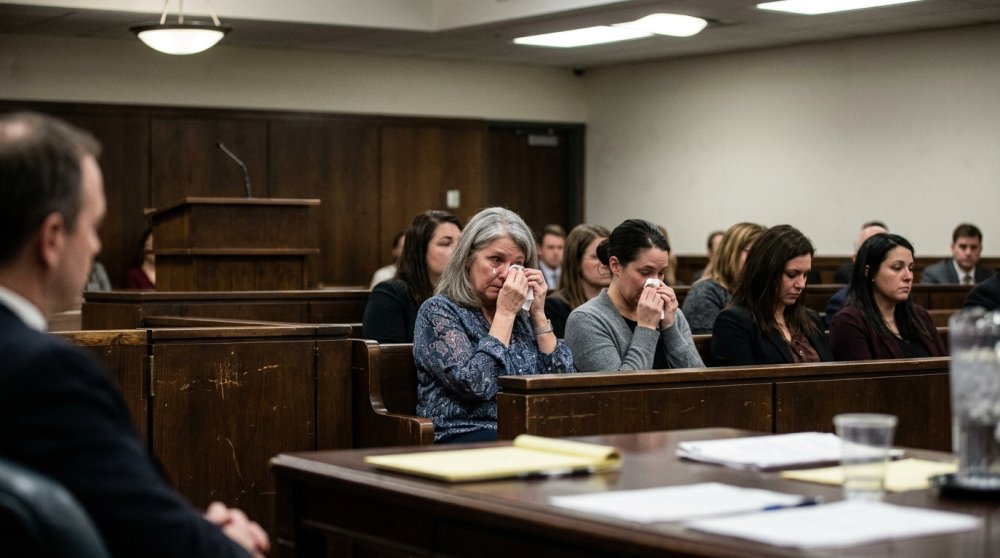
- Female jurors broke down emotionally in court as the judge declared the hung jury, exposing the deep division over justice in this tragic case
- The mistrial means taxpayers will foot the bill for another expensive trial while the accused remains in custody
A courtroom erupted in emotional chaos Friday when a lone male juror stood firm against eleven others, blocking a verdict that would have cleared Lindsay Clancy by reason of insanity in a shocking child murder case. The standoff triggered a mistrial that left female jurors visibly devastated.
Clancy stands accused of killing her three young children in a case that has gripped the nation and divided Americans over questions of mental health, maternal responsibility, and criminal justice. The jury had deliberated for days before the single holdout made it clear he would not budge.
As the judge declared the mistrial, multiple female jurors broke down in tears, revealing the emotional toll the case had taken on those tasked with deciding Clancy’s fate. The dramatic scene underscored the deep divisions that can emerge even among citizens united in their duty to deliver justice.
The mistrial means the case will return to square one. Prosecutors will have to decide whether to retry Clancy, a process that will cost taxpayers significant money and resources while prolonging the agony for all involved. The accused will remain in custody as the legal system grinds forward.
Critics have long argued that insanity defenses are overused and abused, allowing defendants to escape full accountability for heinous crimes. Supporters counter that mental illness is real and must be considered in cases where a defendant’s capacity to understand their actions is legitimately in question.
This mistrial highlights the challenges juries face when weighing complex psychological evidence against the demands of justice. One juror’s conviction—whether rooted in skepticism of the insanity defense or a different interpretation of the facts—was enough to derail the entire process.
The case has sparked national debate about how the justice system handles defendants who claim mental illness. Many Americans are frustrated by a system they see as too lenient on violent offenders, while others advocate for a more compassionate approach that accounts for psychiatric conditions.
With the mistrial declared, the community and the nation will have to wait for answers. The emotional breakdown in the courtroom served as a stark reminder of the human cost of these legal battles—not just for victims and their families, but for the jurors asked to make impossible decisions.
Americans deserve better.