Elections
Alito Recusal Shakes Climate Lawsuit Heading to Supreme Court
Liberty Check
- Justice Alito’s recusal removes a key constitutionalist voice from a case that could expand government power over energy companies.
- Colorado localities are attempting to use state tort law to bypass federal authority and punish energy production.
- The outcome could set a precedent allowing activist judges and local officials to dictate national energy policy.
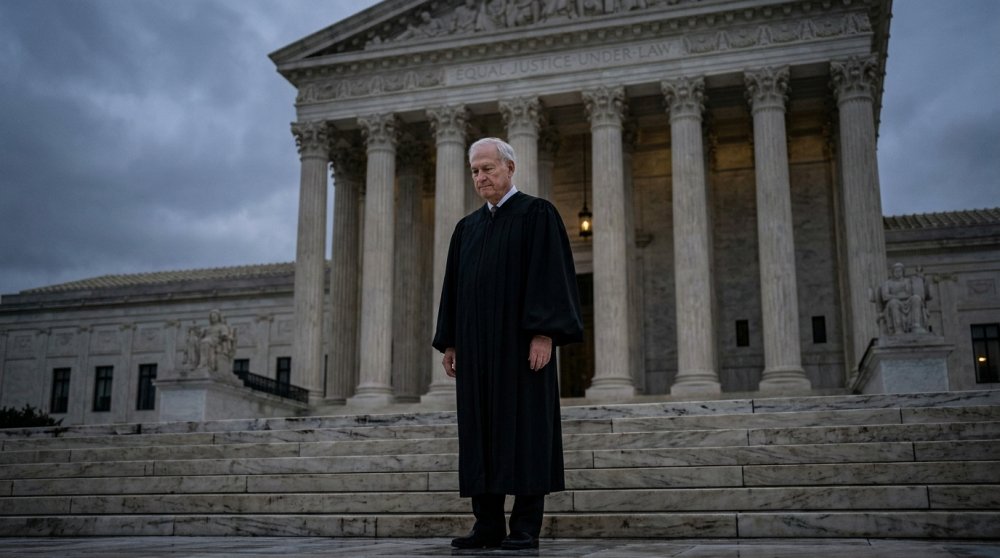
Justice Samuel Alito’s last-minute recusal has shaken up a blockbuster Supreme Court battle that stands to alter the future of climate litigation across the country.
The Supreme Court is scheduled to hear oral arguments Oct. 5 in Suncor Energy v. County Commissioners of Boulder County, a dispute over whether Colorado localities can use state tort law to hold energy companies liable for alleged climate-related damages.
Critics argue that the case represents a blatant attempt by far-left activists to weaponize the courts against the fossil fuel industry and impose de facto energy policy through litigation rather than legislation.
Alito’s absence leaves the Court without one of its strongest voices for judicial restraint and federal preemption in cases involving national industries.
“This is about whether a handful of local officials can override the federal government’s authority on matters of interstate commerce and energy production,” said a senior legal analyst tracking the case.
Supporters of the Boulder County lawsuit claim they are merely seeking accountability for environmental harm, but opponents see it as part of a coordinated campaign to bankrupt traditional energy companies and force a rapid transition to unreliable green alternatives.
The recusal raises questions about whether the remaining justices will be willing to draw a firm line against state-level interference in national energy markets.
Trump-era appointees have consistently pushed back against regulatory overreach in similar disputes, yet the absence of Alito could shift the balance in a case that hinges on federalism and constitutional limits.
“Our constitutional system was not designed to let Boulder County decide America’s energy future,” said one conservative legal observer following the proceedings.
The case arrives at the Court as the Biden administration continues to advance aggressive climate policies that many view as economically destructive and constitutionally dubious.
“Americans deserve better.”