Economy
CRISIS: New Fed Chair Faces Mounting Pressure as Inflation Threat Looms
Liberty Check
- Federal Reserve holds rates steady despite inflation concerns threatening American families’ purchasing power
- New chair Kevin Warsh under fire from fiscal conservatives demanding aggressive action to protect dollar stability
- American households continue bearing burden of Washington’s reckless spending while Fed delays tough decisions
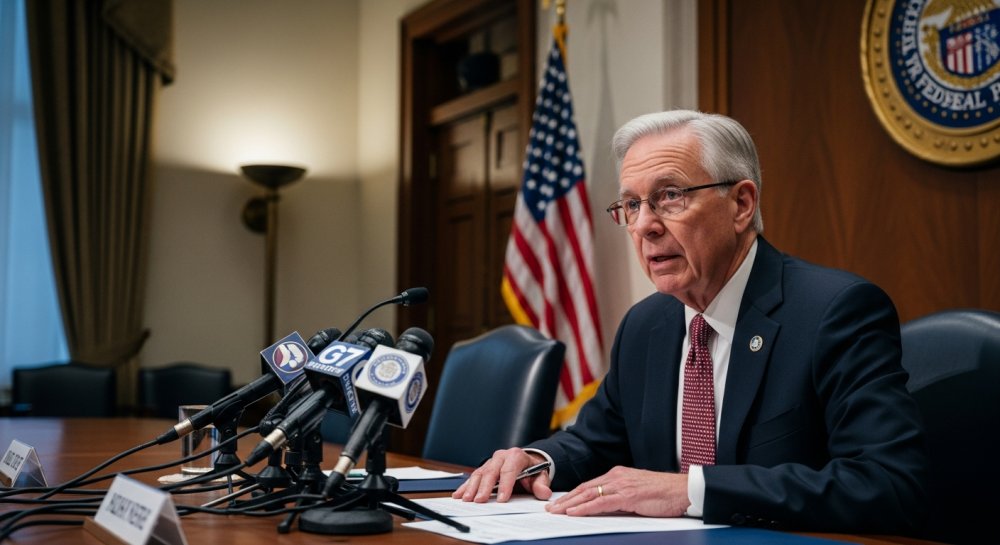
The Federal Reserve is holding its key interest rate steady, but newly appointed chair Kevin Warsh finds himself in the crosshairs of mounting criticism from fiscal conservatives who warn that delay could prove catastrophic for American families.
While the Fed projects confidence with its wait-and-see approach, hardworking Americans continue watching their paychecks buy less at the grocery store, the gas pump, and everywhere else. The purchasing power of the dollar hangs in the balance as Washington bureaucrats debate policy while Main Street suffers.
Warsh, who took the helm of the nation’s central bank amid turbulent economic conditions, faces a difficult balancing act. Conservative economists and fiscal hawks argue that aggressive rate hikes are the only medicine strong enough to combat the inflation disease threatening to erode Americans’ life savings and retirement accounts.
The pressure campaign reflects deeper concerns about the Federal Reserve’s willingness to make the hard choices necessary to preserve economic stability. Critics point to the Fed’s track record of being behind the curve, allowing inflation to take root before acting decisively.
For ordinary Americans, the stakes couldn’t be higher. Every month of delay means continued erosion of purchasing power, hitting fixed-income retirees and working families hardest. The question isn’t whether the Fed will eventually raise rates—it’s whether Warsh has the fortitude to act before it’s too late.
Traditional monetary policy demands that central bankers prioritize price stability above short-term political considerations. Conservative voices are calling on Warsh to demonstrate that independence, even if it means enduring criticism from those who prioritize easy money over sound economics.
The Federal Reserve’s mandate includes maintaining stable prices and maximum employment—goals that sometimes conflict. But with inflation threatening the foundation of American prosperity, fiscal conservatives argue the choice is clear: act now or risk a deeper crisis down the road.
Americans deserve better.