Crime
Georgia Foster Kids Face Therapy Cuts as State Lawmakers Confront Medicaid Rate Changes
Liberty Check
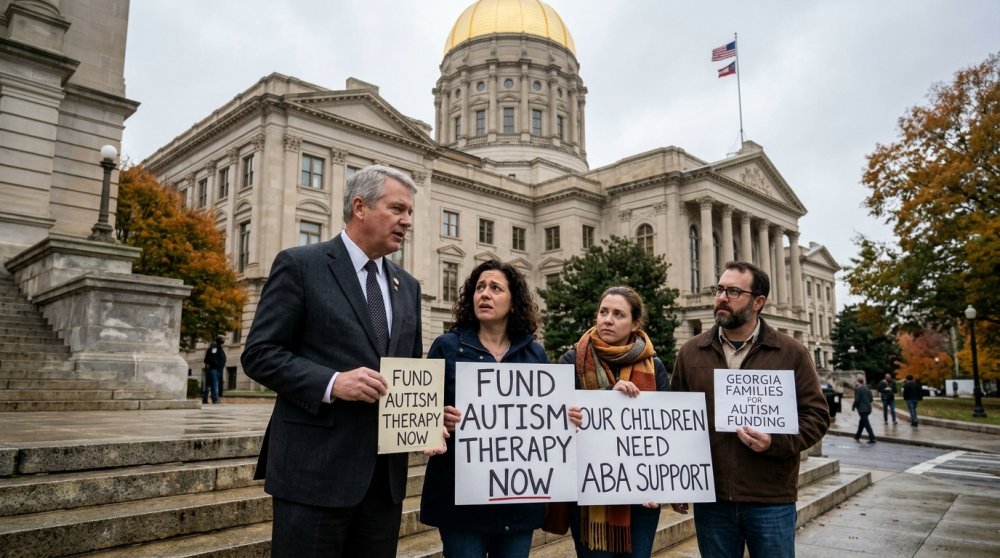
- Georgia Republican Sen. Brian Strickland is leading the charge to reverse a 30% cut in autism therapy reimbursements for foster children.
- ABA providers warn that slashing rates for technicians could force clinics to stop serving vulnerable foster kids, reversing hard-won progress.
- Advocates demand that families and clinicians be consulted before any future cuts, insisting that government bureaucrats stop making blanket decisions that harm children.
Georgia lawmakers are now confronting a growing backlash over a sudden reduction in reimbursement rates for applied behavior analysis therapy provided to foster children under Medicaid.
The cuts, implemented September 1 through Amerigroup, have sparked urgent calls from parents, clinicians, and state Sen. Brian Strickland to restore funding levels and protect these essential services.
“As a parent of a child with autism, I know what ABA therapy means for a family and Georgia’s foster children, which is why I stood at the Capitol to make clear that these cuts are indefensible,” Strickland told Fox News Digital.
Strickland, who is also running for state attorney general, pledged to hold insurance companies accountable if elected and vowed to fight for families facing these sudden barriers.
Advocates say the rate cuts could force many clinics to stop treating foster children altogether, leaving families without options.
Taylor Sanders of the Autism Families Alliance warned that time is of the essence for these children.
“Every moment where their child is not receiving services, we’re seeing a regression in possible communication, safety skills,” Sanders said. “Maybe we’re seeing an increase in some of those challenging behaviors.”
One mother described to Sanders how her three-year-old had only recently begun using words thanks to consistent one-on-one therapy, but now fears losing access entirely.
“She was in absolute tears and so worried and frustrated,” Sanders recounted.
Kelsey Bennett of the Autism Families Alliance stressed that reversing the cuts must be the immediate priority.
“Reverse the cuts,” Bennett said.
Amerigroup claims the adjustments rebalanced rates based on service complexity, but providers note that the technicians delivering the bulk of care saw the largest reductions.
“Just because we put something down on paper doesn’t mean that it’s gonna be clinically effective or that these children are gonna be able to access care because companies are now having to maybe close their doors to these individuals because they can’t afford the rate cut,” Sanders said.
Progress lost is extremely hard to come back from, which is the biggest concern that we’re facing here.
“Reconsider before ripping the rug from families,” Sanders urged. “Start to involve the clinicians, involve families before making major cuts.”
Our freedoms depend on staying vigilant.