Economy
BREAKING: Trade Deal COLLAPSES Hours Before Massive Tariff Deadline Hits
Liberty Check
- Last-minute trade negotiations between the U.S. and Canada fell apart right before a 50% tariff deadline
- Billions of dollars in Canadian goods now face historic tariff levels in escalating trade standoff
- Failed deal exposes vulnerabilities in North American trade relationships and need for stronger American negotiating position
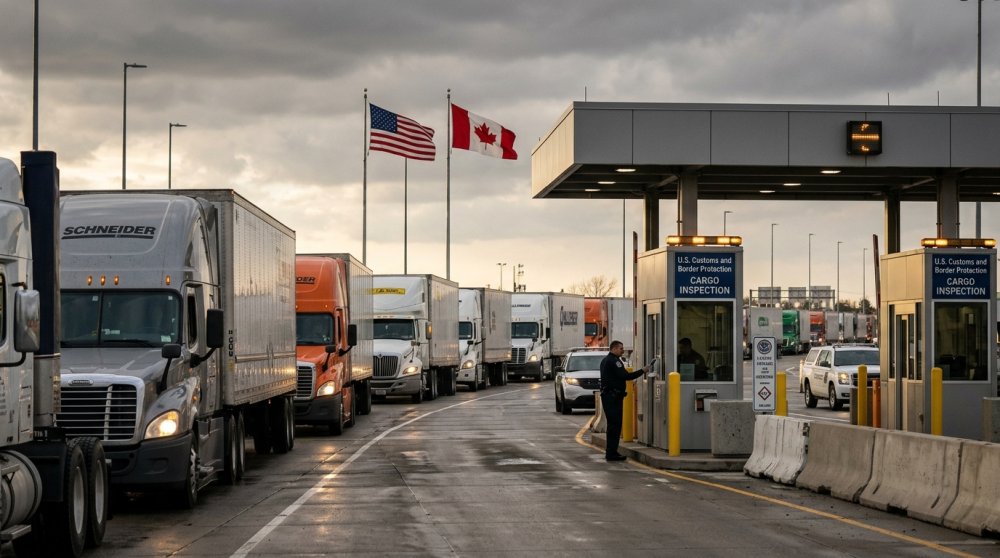
Trade negotiations between the United States and Canada have completely broken down just hours before massive 50% tariffs were scheduled to take effect on billions of dollars’ worth of Canadian goods. The collapse represents a critical moment in the deteriorating trade relationship between the two North American neighbors.
The failed deal means Canadian exports will now face some of the highest tariff levels in modern history. American negotiators held firm on their position, refusing to cave to last-minute pressure from Canadian officials desperate to avoid the economic consequences.
My statement on Canada-U.S. trade negotiations: pic.twitter.com/65OuQH40ra
— Mark Carney (@MarkJCarney) August 22, 2026
Tonight, Canada declined to finalize the trade deal under the terms agreed earlier this week.
Despite the U.S. offer to Canada to receive the best treatment of any major exporter to our market, new demands and walk backs of other commitments by Canada have upended the careful…
— United States Trade Representative (@USTradeRep) August 22, 2026
The breakdown underscores the serious vulnerabilities in North American trade arrangements that have long favored foreign interests over American workers and manufacturers. For years, trade deals have been negotiated from a position of weakness, allowing countries like Canada to take advantage of American markets while protecting their own industries.
This standoff puts billions of dollars in commerce at stake and could reshape the entire landscape of North American trade. Canadian industries that have grown dependent on unfettered access to American consumers now face a reckoning as tariffs dramatically increase the cost of doing business.
The collapse came despite round-the-clock negotiations in the final hours before the deadline. Sources indicate fundamental disagreements over trade terms and market access proved impossible to bridge, with American negotiators refusing to back down from demands for fairer treatment of U.S. exports and workers.
The tariff implementation represents a major shift in trade policy, one that prioritizes American economic interests and manufacturing jobs over the convenience of foreign exporters. It sends a clear message that the United States will no longer accept one-sided trade arrangements that benefit other nations at America’s expense.
It’s time to push back.