Politics
Senate Moves to Ban THIS From Capitol Hill — But Why Now?
Liberty Check
- U.S. Senate unanimously passed a total ban on prediction market apps for all senators, staff, and chamber personnel
- The move comes amid mounting ethical and national security concerns over lawmakers potentially profiting from insider knowledge
- Critics question why enforcement took this long when conflicts of interest have been obvious for years
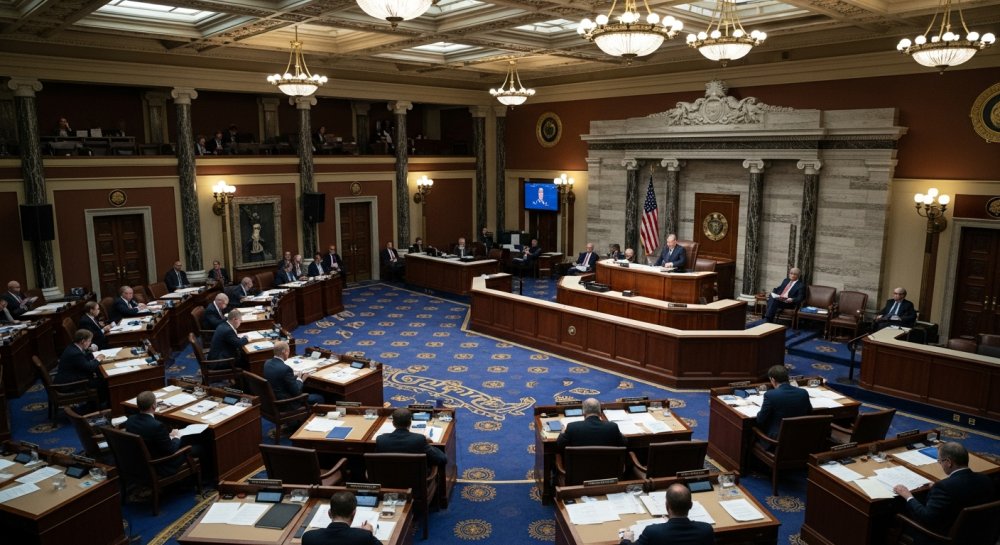
The U.S. Senate took decisive action Thursday with a rare unanimous vote to prohibit all senators, their staff, and other chamber personnel from using prediction market apps. The sweeping ban addresses what many conservatives have long called an obvious conflict of interest — lawmakers gambling on political outcomes they directly influence.
The vote marks a significant shift in how Congress approaches ethical oversight, though questions remain about enforcement and whether the ban goes far enough. Prediction markets allow users to bet real money on everything from election outcomes to policy decisions, creating clear opportunities for those with insider access to profit.
National security experts have raised alarms about these platforms, warning that congressional staffers with security clearances could inadvertently — or intentionally — signal sensitive information through their betting patterns. The apps essentially create a financial incentive for leaks and insider trading on government information.
For constitutional conservatives, the ban represents a small step toward restoring public trust in an institution that has seen its approval ratings crater in recent years. Americans have grown tired of watching their elected officials enrich themselves while claiming to serve the public interest.
The unanimous vote itself raises eyebrows. When was the last time the Senate agreed on anything? The fact that this passed without opposition suggests the problem had become too glaring to ignore, or that members feared being caught on the wrong side of an obvious ethical line.
Still, skeptics note that Congress has a long history of passing ethics rules with little teeth. The STOCK Act was supposed to prevent congressional insider trading, yet violations continue with minimal consequences. Whether this prediction market ban will face the same enforcement challenges remains to be seen.
The move also highlights broader questions about government accountability. If betting on political outcomes creates conflicts of interest, what about the revolving door between Congress and lobbying firms? What about lawmakers trading individual stocks while writing legislation that affects those same companies?
Conservative watchdog groups have long pushed for stricter financial disclosure requirements and real consequences for ethical violations. This ban could signal growing momentum for reform, or it could be another symbolic gesture designed to placate an angry electorate without changing the underlying culture of self-dealing.
Prediction markets themselves aren’t inherently corrupt — they can provide valuable information about public sentiment and future probabilities. But when the people making bets are the same people making the decisions being wagered on, the system becomes rigged.
Americans deserve better.